

Shahnawaz Mughal
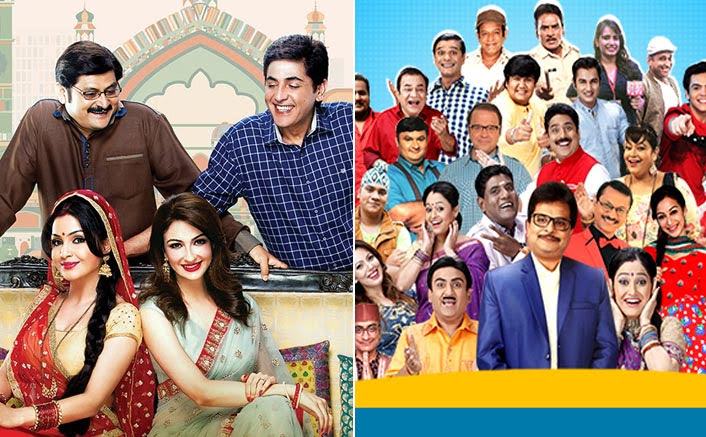
In recent years, the portrayal of relationships and societal values in mainstream Indian television shows has shifted significantly, and not always for the better. Two of the most popular Hindi comedy shows, Tarak Mehta Ka Ulta Chashma and Bhabhiji Ghar Pe Hain, have played a pivotal role in this shift, subtly promoting infidelity, casual flirting, and objectification of women under the garb of family entertainment.
At the heart of Tarak Mehta Ka Ulta Chashma is Jethalal, a married man who is infatuated with his neighbor Babita, the wife of Iyer. Throughout the show’s run, Jethalal’s obsession with Babita has been a recurring theme, often depicted humorously but with a troubling undertone. What is particularly concerning is how this character’s inappropriate behavior is normalized and even celebrated as part of the comedy. Such portrayals can desensitize viewers to moral boundaries, especially when the show is presented as family-friendly.
Another issue is the show’s underlying bias in promoting color-based discrimination. Iyer, a South Indian character who is often taunted for his darker skin, is constantly contrasted with his fair-skinned wife, Babita. The show regularly ridicules this pairing, perpetuating the regressive notion that fair skin is more desirable. This form of casual racism is not only distasteful but also harmful in reinforcing existing social prejudices.
Similarly, Bhabhiji Ghar Pe Hain revolves around two male neighbors, Vibhuti Narayan and Manmohan Tiwari, who continuously lust after each other’s wives. The show normalizes and trivializes infidelity by portraying the constant flirting between married characters as comedic. This sends a deeply problematic message to audiences, especially teenagers who may grow up thinking such behavior is acceptable or funny.
What we are seeing is a long-term erosion of moral values, where the line between comedy and moral degradation becomes increasingly blurred. Infidelity, objectification of women, and casual flirting are not just portrayed as harmless, but are actively laughed at. In a country grappling with serious issues like rape and gender-based violence, the subtle promotion of infidelity as a normal, even humorous, behavior in these shows becomes deeply concerning.
Take, for example, the recent shocking incident at RG Kar Medical College, where a rape case caused an uproar across the nation. While factors like pornography are often cited as contributing to such crimes, we overlook the pervasive influence of mainstream media. Shows like Tarak Mehta Ka Ulta Chashma and Bhabhiji Ghar Pe Hain, which have been airing for years, have a profound impact on how men view women and relationships. The normalization of casual flirting in these shows can serve as a gateway to more harmful behaviors, contributing to the alarming rise in extramarital affairs, divorces, and even violent crimes like murder.
One must also consider the off-screen realities of these shows. Asit Modi, the producer of Tarak Mehta Ka Ulta Chashma, was recently sued by Jennifer Mistry, who played the character of Mrs. Roshan Singh Sodi, for sexual harassment, and she won the lawsuit. This incident further highlights the hypocrisy of promoting so-called “family values” while the people behind the scenes engage in morally questionable behavior.
Furthermore, with the massive rise of social media, clips from shows like Tarak Mehta Ka Ulta Chashma and Bhabhiji Ghar Pe Hain are extensively circulated among teenagers. These short, humorous snippets are often shared without context, making it easy for younger audiences to normalize inappropriate behavior, such as infidelity and casual flirting. This pervasive online presence reinforces the message that such conduct is not only acceptable but amusing, further entrenching these harmful ideas in impressionable minds.
As concerned citizens, it is imperative that we hold both the creators and actors of these shows accountable. The content consumed by families in their living rooms has long-term consequences on future generations. It is not enough to express outrage only when horrific crimes occur; we must also critically examine the media we consume and demand better, more responsible entertainment.
Indian television has the potential to influence millions of viewers across the country. It is high time we stop normalizing indecency and demand shows that reflect values of respect, equality, and decency, rather than promoting moral corruption disguised as comedy.