

By Asad ur Rahman
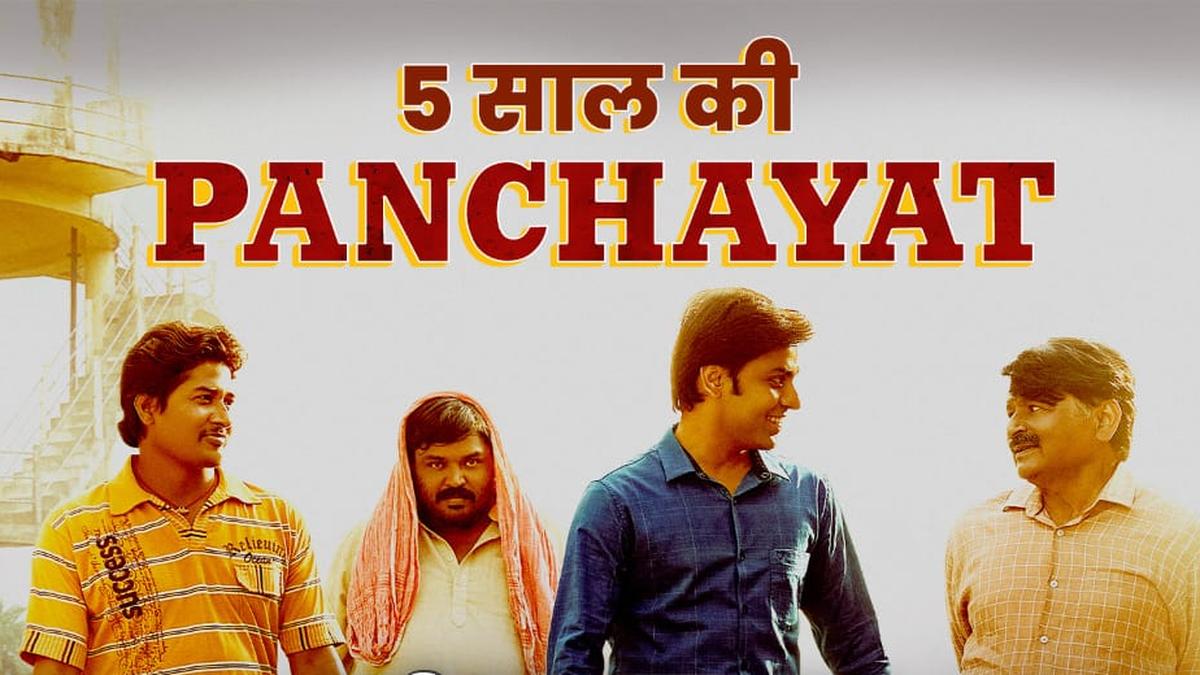
In a time when Indian web series often struggle to find the right mix of depth and mass appeal, Panchayat stands out as a quietly engaging story that’s found its place. The fourth season of this popular show takes a noticeable shift by focusing more on the political dynamics that shape rural life, especially with the upcoming village panchayat elections. While it keeps its signature warmth and humor, the heightened focus on electoral conflicts has led to mixed feelings among viewers—some appreciate the realism of village politics, while others miss the more slice-of-life vibe of earlier seasons.
Season 4 revolves around the intense rivalry between Pradhan’s and Bhushan’s groups as they vie for power, showcasing how closely politics is tied to daily life in rural areas, from marriage deals to local power plays. This backdrop creates a tangible tension that propels much of the story, though some critics feel the pacing can be slow and stretched at times, potentially testing the patience of those looking for a faster-paced narrative. Still, the series continues to develop both personal and political storylines for key characters, especially Abhishek and Rinki, whose relationship becomes more complex amid the election chaos.
Through First Eyes, Again: My Experience with the Live-Action ‘How to Train Your Dragon’ (2025)
Jitendra Kumar remains a solid and relatable presence as Abhishek Tripathi, delivering a performance filled with subtlety and emotional depth. Veteran actors like Neena Gupta and Raghubir Yadav add authenticity to the story, bringing warmth and richness to their roles. However, some political foes seem underdeveloped or less menacing than before, which slightly diminishes the potential drama surrounding the elections.
Visually, the show keeps its naturalistic, almost documentary-like vibe, capturing the textures and rhythms of rural life without any fluff. The direction by Deepak Kumar Mishra and Akshat Vijaywargiya leans into quiet moments and real interactions, which helps balance the heavier political themes.
Humor still runs through the story, coming naturally from the quirks of village life and character dynamics. However, some fans feel that the comedic bits have been a bit overshadowed by the political focus, making this season feel heavier compared to the lighter tone of earlier ones. Still, many appreciate how the show manages to blend political realities with relatable humor and emotional moments, offering a nuanced look at rural India’s social fabric.
Beyond Binary: Navigating the Nuances of Algorithmic Bias and Technological Discrimination
The pacing and narrative structure of the season have sparked mixed reactions. While the storytelling is intentional, it sometimes feels a tad slow, with some episodes coming off more like fillers than meaningful developments. This has led to audience calls for a more focused ending since the prolonged focus on electoral politics seems to have lessened the momentum seen in previous seasons. “Story should be finished soon,” one viewer suggested, echoing a broader impatience with the drawn-out narrative arcs. The struggle between staying true to the slow pace of village life and keeping engaging drama alive is clear, and Panchayat navigates this tightrope with varying degrees of success.
Interestingly, the election itself, a key plot point, can sometimes feel too predictable, with the outcome seeming obvious well before the finale. However, this predictability doesn’t completely take away from viewers’ enjoyment who value the show’s nuanced character interactions and its depiction of community dynamics. For many, the emotional stakes—especially those linked to Abhishek’s journey—remain at the heart of what makes this season compelling.
The social commentary woven into the season provides a multi-layered look at rural India’s political scene. From local alliances to grassroots campaigning, the series highlights how power and personal connections mix, often making it hard to tell where public duty ends and private ambition begins. Viewers who know these environments have praised this realistic depiction, seeing their own experiences reflected in the unfolding story.
Additionally, Panchayat keeps doing a great job of including small but significant details of rural life—like festivals, community rituals, and everyday struggles—which add depth and authenticity to the story. These aspects enrich the plot beyond just the election focus, reminding viewers that beneath all the political moves is a lively, close-knit community dealing with change and continuity.
On a character level, the growth is striking. Abhishek’s transformation from a somewhat naive city outsider to a more grounded person involved in his community is clear. His interactions with other villagers, including Rinki and the panchayat members, show increasing complexity and maturity. Meanwhile, supporting characters may get sidelined by the main political plot at times, but they still provide moments of humor and insight that balance the story.
The performances really anchor the show’s emotional heart. Jitendra Kumar’s subtle take on Abhishek gives us a glimpse into the dilemmas faced by young Indians caught between ambition and duty. Neena Gupta and Raghubir Yadav bring both weight and humor to their roles, making their characters feel like the village’s heartbeat and conscience.
Even with some narrative inconsistencies, Panchayat Season 4 remains a strong exploration of where tradition meets power and personal dreams. Its thoughtful storytelling approach and ongoing character arcs make sure that the series stays relevant and engaging for its audience.