


Slogans in electoral democracies play an important role in manufacturing public opinions in favour of, or against, any political party. Herbert Barry defines a political slogan as “a catchword or rallying motto distinctly associated with a political party or other group.” He goes on to argue that though at the time of origin a slogan is associated with a party but later on the slogan can encompass more than one party, community or nationality.
Slogans in Indian Freedom Struggle
A closer look at Indian politics is enough to bring out the significance of popular slogans in the success of any political movement. One of the most popular movements of the Indian people was led by Subhas Chandra Bose in the form of Azad Hind Fauj (AHF). Thousands of followers were ready to sacrifice their money and life, for national freedom, on his command. One does not need to be a great scholar of history to know that the AHF movement was built around several popular slogans. Jai Hind, Dilli Chalo, karo sab nichhawar – bano sab faqiir, and Tum mujhe khoon do – main tumhe azadi dunga (Long live India, Onwards to Delhi, sacrifice everything and become a destitute, and give me blood – I will give you freedom) were few of the slogans which stirred the patriotic emotions among the Indians. Similarly, Inquilab Zindabad (Long Live Revolution) by Hasrat Mohani inspired generations of progressive Indians to fight against the colonial, imperial and capitalist oppressions.
Slogans in Indian Elections
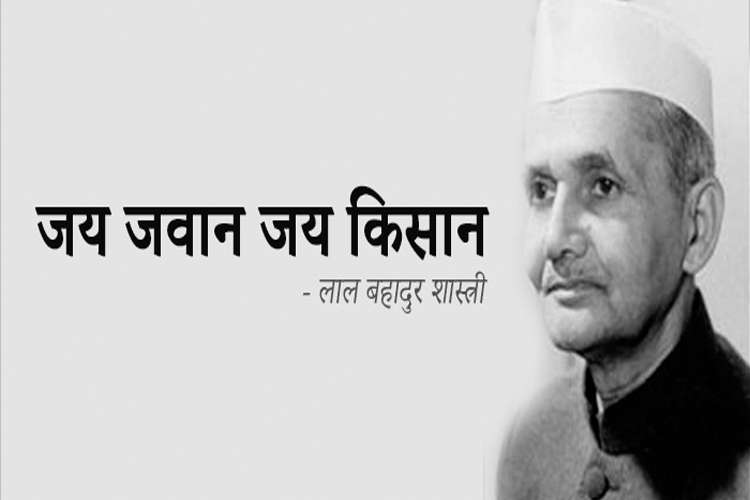
After independence, Lal Bahadur Shastri’s Jai Jawan – Jai Kisan (Long live soldier – long live peasant) and Indira Gandhi’s Gharibi Hatao (Remove poverty) have acquired statuses of national slogans. All these pre and post independence slogans which started off as slogans of an outfit, as Barry argues, transcended the political boundaries to acquire a national status.
Slogans in Internet Age
In the last one decade, the arrival and spread of social media has significantly changed the space of political mobilization. Youtube, WhatsApp, Facebook and Twitter made it even more important that the politicians connect to voters in a shorter time span. A popular slogan should be easy to remember and repeat. The public should identify itself with a slogan. When Indira gave a call of Gharibi Hatao, its success lay in the fact that a majority of the voters identified themselves as Gharib (poor), even if they were not in reality, and believed that once she came to power they would be beneficiaries. This ‘economics of hope’ as defined by Prof. Nayanika Mookherjee attracts voters towards a political party through election slogans.
Several political commentators treat 2014 as a watershed moment in the political history of India when Prime Minister Narendra Modi led Bharatiya Janata Party (BJP) formed a majority government at the centre. Often it is seen as a success of Hindu Right Wing politics over the secular values of the country. Commentators believe that people vote BJP for their hate for Muslims. With this notion in place they overlook the importance of political strategies which are used to contest elections at micro or macro level. Very few scholars have actually tried to analyze the impact of slogans during the 2014 and 2019 general elections.
Slogans of BJP
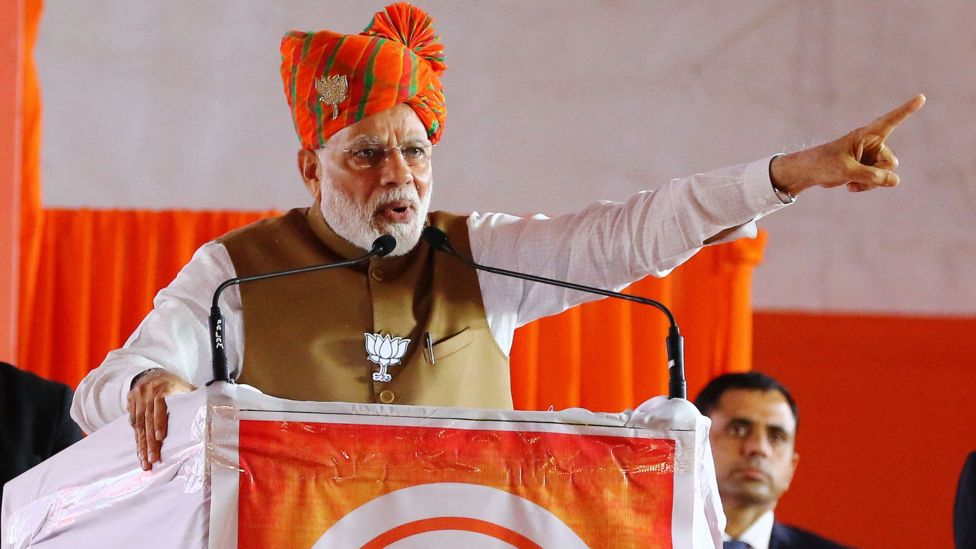
2014 elections were fought in the backdrop of very strong anti-incumbency as a result of Nirbhaya rape agitations and corruption allegations against a Congress led UPA government. A movement led by Arvind Kejriwal’s India Against Corruption, ensured that the corruption charges on the government received enough publicity. The electorate was made to believe that no women is safe from rape and every arm of the government is corrupt. The stage was set for slogans with which people can identify themselves. BJP outdid every other party by coining the slogans which struck a chord with the electorate. Bahu Beti ke samman me – BhaJaPa maidan me (To guard the honour of daughters and daughters-in-law – BJP has come to the battlefield) and Bahut hua naari par vaar – abki baar Modi sarkar (No more violence against the women – this time choose Modi government) were two very important slogans which resonated with an electorate already furious at the government after the Nirbhaya rape. Another important slogan which attacked the inability of the UPA government to control corruption and inflation was Achche Din Aane waale hain (Better days are arriving).
Failure of Congress in Coining Slogans
In 2019, we saw Rahul Gandhi coining a slogan, Chowkidar hi Chor hai (gatekeeper is the thief). The slogan did not work with the electorate for a reason that people did not identify themselves with the slogan. Unlike Indira’s slogan where even middle class Indians believed that the gharib in gharibi hatao was about them, this slogan was an attack on the opponent. A simple analysis of popular slogans in Hindi heartland will tell that since the days of Mahatma Gandhi slogans using language of accusations do not strike a chord with the electorate. People love slogans which represent them and their aspirations. Direct attack on political opponents is often considered opportunistic and detested by the people. The slogan was a direct accusation on the sitting Prime Minister. Electorate translated the slogan as a desperation to displace the ruling government rather than as a hope for themselves.
On the other hand, Modi came with another slogan of Beti Bachao – Beti Padhao (Save Girls – Educate Girls). The slogan was a direct call to check two prevalent evils of the society, namely, female infanticide and illiteracy. Most of the Indians connected with the slogan. After rapes at Kathua, Hathras and Unnao people attacked the PM citing this slogan. As I have pointed out, a direct attack on the opponent never gives a popular slogan in north India.
Ladki Hu Lad Sakti Hu
This time, a few months before the elections in Uttar Pradesh, Priyanka Gandhi took it upon herself to challenge BJP at this war of sloganeering. First time in a decade a non-BJP party has come out with a well thought out Hindi slogan. Ladki hu – Lad Sakti hu (I am woman – I can fight) challenges the very premise of Beti Bachao – Beti Padhao slogan without actually attacking the slogan, BJP or PM. The slogan shifts the agency of change from a patriarchal guardian figure in Beti Bachao – Beti Padhao to woman herself. The previous slogans by BJP were calls to men to guard the honour of women, save their lives and educate them. Priyanka Gandhi without attacking directly crafted a slogan which serves the same purpose.
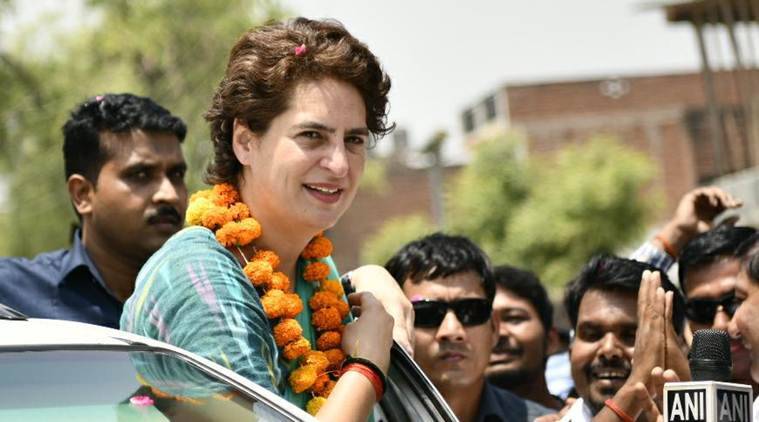
Ladki hu – Lad Sakti hu is an assertion of women that they do not need saviours. The slogan portrays women as beings having their own agencies. Women would not let men control their destinies and if need arises they will fight for their rights. This slogan has every quality of striking a chord with the women across every section. It does not focus on a political opponent or exalts own self. Each woman can identify herself with the slogan. Every woman has faced mansplaining where they have been infantilized and their agencies are hijacked by men. As a woman, I find a new air in this slogan where decision making agency is being restored to me. Women can fight their own battles and do not need this patriarchal guardianship of men.
In the runup to the legislative assembly elections in Uttar Pradesh this slogan can make all the difference and may restore the lost glory of the grand old party.
By: Dr. Mahino Fatima
(Author is neurobiologist with her major research on depression and Alzheimer’s)