

Acts of Violence Against Public Figures – A Growing Concern
– Shahnawaz Mughal
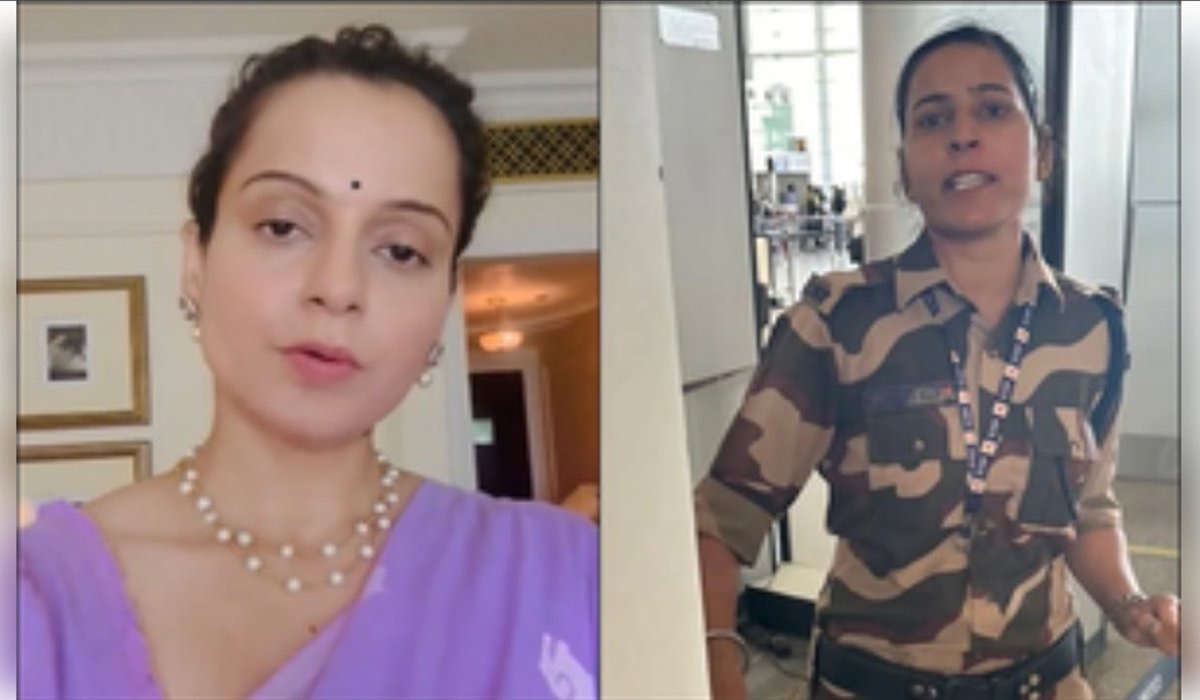
Recently, Kangana Ranaut, a BJP MP and a prominent Bollywood actress, faced a shocking incident at Chandigarh airport where she was slapped by CISF personnel Kulvinder Kaur. This confrontation was reportedly a reaction to Kangana’s controversial statement on the farmer protests against the Modi government’s 2020 farm laws. In a now-deleted tweet, she alleged that women participating in the protests were available for 100 rupees, which drew widespread criticism. Kaur, aggrieved by Kangana’s comments, was heard in a video circulating on the internet saying that her mother was sitting at the farmer protest when Kangana made those remarks. This incident highlights the growing tensions and the volatile environment surrounding political discourse in India.
Kangana Ranaut’s comments came at a time when the country was deeply divided over the new farm laws, which had led to widespread protests, particularly in Punjab and Haryana. Her statement was seen as not only derogatory but also dismissive of the genuine grievances of the farmers. The backlash she received was immediate and intense, culminating in the incident at the airport. This incident not only underscores the heightened emotions surrounding political debates but also raises questions about the role of security personnel in maintaining decorum.
This incident is not an isolated one. Indian politicians have often been targets of public anger and humiliation. Here are some notable examples:
These acts of violence are uncalled for and particularly troubling when committed by security personnel, as they undermine public trust in those meant to protect. While politicians and activists are entitled to their opinions, they must avoid crossing the line into humiliating or degrading others. Kangana Ranaut’s comments were certainly distasteful and could have been avoided, but resorting to violence is never the answer.
Violence against public figures not only poses a threat to their personal safety but also undermines the democratic process. It discourages open debate and creates an environment of fear and intimidation. When security personnel are involved in such acts, it further erodes the trust that the public places in these institutions. The role of security forces is to protect and maintain order, not to become participants in the political fray.
Politicians and activists also have a responsibility to foster a culture of respectful discourse. Public statements should be made with consideration of their impact on various communities and individuals. Inflammatory and derogatory remarks can incite violence and deepen societal divisions. It is crucial for public figures to set an example of constructive and respectful communication.
The media also plays a significant role in shaping public opinion and political discourse. Sensationalism and biased reporting can exacerbate tensions and contribute to a culture of aggression. Responsible journalism should aim to inform and educate the public, rather than inflame passions and provoke hostility.
In conclusion, civil discourse and respectful disagreement should be the cornerstones of our democratic society. Acts of violence against public figures, especially when perpetrated by those entrusted with security, are unacceptable and harmful to the fabric of democracy. At the same time, public figures must exercise caution and responsibility in their statements to avoid inciting hatred and violence. A commitment to non-violence, mutual respect, and constructive dialogue is essential for the health and stability of our democratic institutions.
(Views are Personal)