

My perspective on the Samajwadi Party’s resurgence in Uttar Pradesh
Shahnawaz Mughal
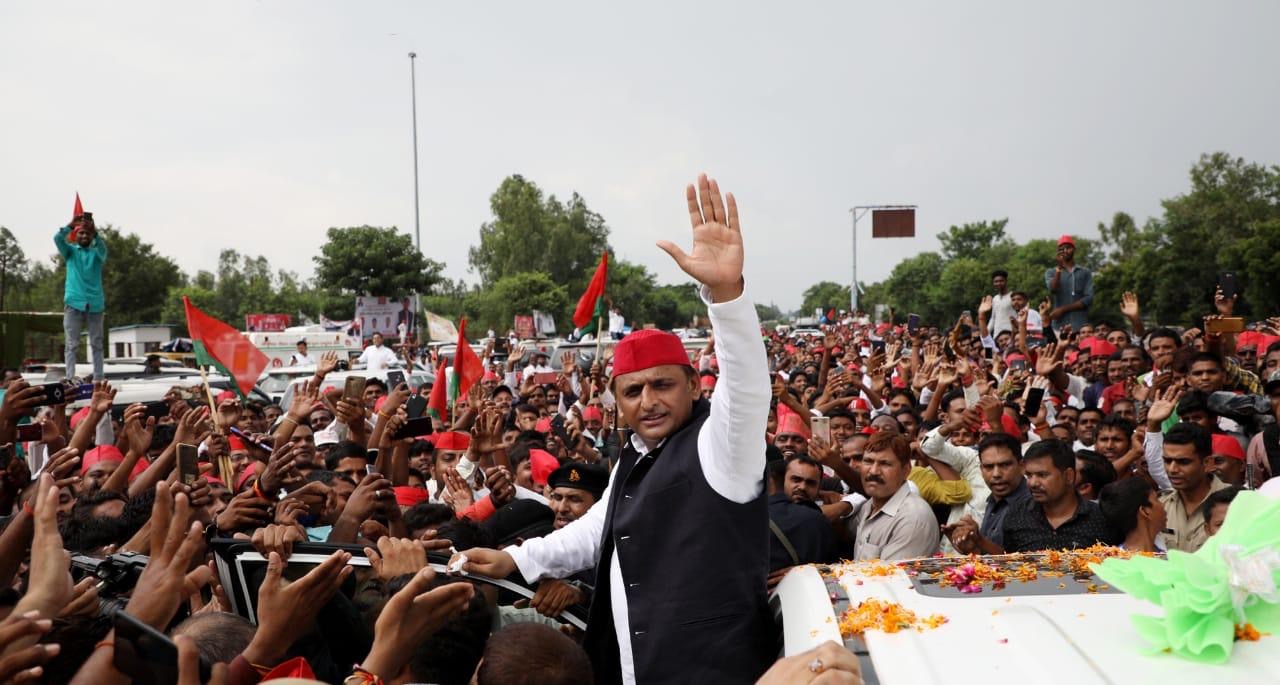
The 2024 Indian parliamentary elections have undoubtedly reshaped the political landscape in Uttar Pradesh. Witnessing the Samajwadi Party (SP) emerge as the single largest party with 37 seats is nothing short of remarkable. This victory not only reflects significant voter sentiment but also signals potential shifts in the political dynamics of the state and beyond. Notably, the party broke its previous record of 35 seats, which it won in the 2004 elections. This resurgence is particularly impressive considering the party’s poor performances in recent elections, winning only 5 seats each in the 2014 and 2019 national elections and losing the 2017 and 2022 Uttar Pradesh assembly elections to the BJP.
In my view, the central issues that dominated this election were anti-incumbency, inflation, unemployment, and concerns about the Constitution. The controversial laws affecting the Muslim community, such as the triple talaq ban, the Citizenship Amendment Act, and the NRC, have deeply impacted the electorate. These issues, coupled with incidents of mob lynching and harsh measures such as bulldozer action and hate speeches by the ruling BJP, have clearly influenced public sentiment. This environment has allowed Akhilesh Yadav to successfully consolidate Muslim votes, leveraging these concerns effectively.
Akhilesh Yadav’s PDA formula—targeting Pichda (OBC), Dalit (SC), and Alpsankhyak (Muslim) communities—has proven to be a strategic masterstroke. His ability to unify these groups played a crucial role in Samajwadi Party’s success, with significant victories among OBC, SC, and Muslim voters. This demographic strategy has clearly resonated with the electorate.
The formation of the INDIA alliance, led by the Indian National Congress, has also been pivotal. This coalition has not only broadened the electoral base but also strategically benefited both the SP and INC, with the INC increasing its strength from a mere 1 to 6 MPs from Uttar Pradesh. The alliance was effective in cutting through BJP’s Hindutva narrative.
The voter turnout, while moderate, reflects a complex voter behavior dynamic. Many BJP supporters seemingly abstained from voting, possibly due to disillusionment or overconfidence in their earlier achievements, such as the inauguration of the Ram Mandir in Ayodhya. This abstention likely contributed to the unexpected outcomes in this election.
The recent results signify a significant challenge to the BJP’s dominance in Uttar Pradesh. The Samajwadi Party’s resurgence suggests a realignment in the state’s political landscape, potentially impacting the 2027 assembly elections and the broader national political environment. Akhilesh Yadav’s leadership has been instrumental in this resurgence. His strategic focus on key issues, coalition-building efforts, and addressing voter concerns have resonated well with the electorate. His continued influence will likely be crucial in shaping the SP’s future strategies.
The reaction to Samajwadi Party’s performance has been significant, with widespread media coverage highlighting the unexpected strength of the party. This resurgence has sparked discussions about potential shifts in political power in Uttar Pradesh in the 2027 assembly elections.
In my opinion, the 2024 elections in Uttar Pradesh have set the stage for significant changes. The SP’s victory reflects deep-seated public sentiments and the effectiveness of strategic alliances. As we move forward, the political landscape in Uttar Pradesh and possibly at the national level may see further transformations. The success of the SP is not just a testament to Akhilesh Yadav’s leadership but also to the electorate’s readiness for change.
(Views are Personal)