Home Blog

अमझर शरीफ और देवकुंड की सदियों पुरानी मोहब्बत की रिवायत फिर हुई जीवंत, 80 साल बाद दो संत परंपराओं का मिलन

0

देवकुंड/अमझर शरीफ: बिहार के औरंगाबाद जिले में अमझर शरीफ की खानकाह कादरिया मुहम्मदिया और देवकुंड मठ के बीच सदियों से चली आ रही संत-सूफी परंपरा, आपसी सम्मान और भाईचारे की रिवायत एक बार फिर जीवंत हो उठी। करीब 80 वर्षों बाद दोनों धार्मिक परंपराओं के प्रतिनिधियों के बीच हुआ यह सम्मान समारोह क्षेत्र की गंगा-जमुनी तहजीब और साझा सामाजिक विरासत का प्रतीक बन गया।
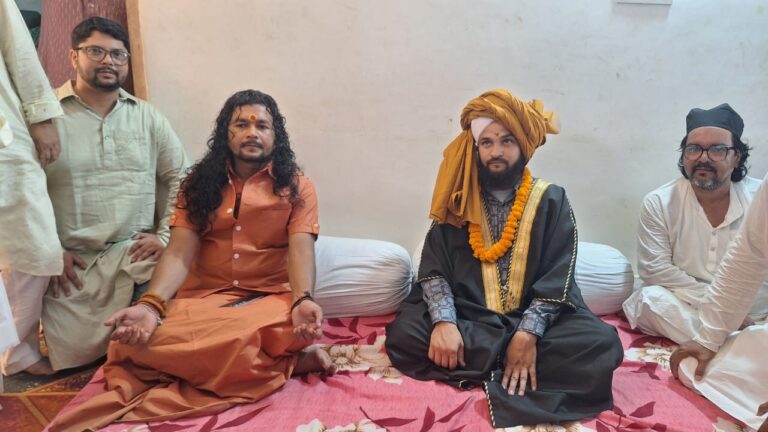
अमझर शरीफ के सज्जादानशीन सैयद मुहम्मद हुसैन कादरी का देवकुंड महंत कन्हैया नंद पुरी ने किया सम्मानहसपुरा से करीब छह किलोमीटर दूर स्थित देवकुंड महान ऋषि च्यवन जी महाराज की तपोभूमि और आश्रम के लिए प्रसिद्ध है। वहीं अमझर शरीफ कादरिया सूफी परंपरा के प्रमुख केंद्रों में माना जाता है। स्थानीय परंपराओं और उपलब्ध विवरणों के अनुसार, दोनों स्थानों के संतों के बीच लंबे समय से आपसी सम्मान और भाईचारे का रिश्ता रहा है।

सैयदना दादा और देवकुंड के महंत की दोस्ती की रिवायत

अमझर शरीफ में कादरिया सिलसिले के विस्तार का श्रेय गौस-ए-पाक के वंशज महान सूफी हजरत सैयद अमीर मुहम्मद कादरी अमझरी उर्फ सैयदना दादा साहब को दिया जाता है। उनकी शिक्षाओं का मूल संदेश इंसानियत, सेवा और प्रेम पर आधारित रहा। सूफी परंपरा में प्रचलित संदेश “अल-खल्कु अयालुल्लाह” का अर्थ है कि तमाम मखलूक खुदा का कुनबा है।
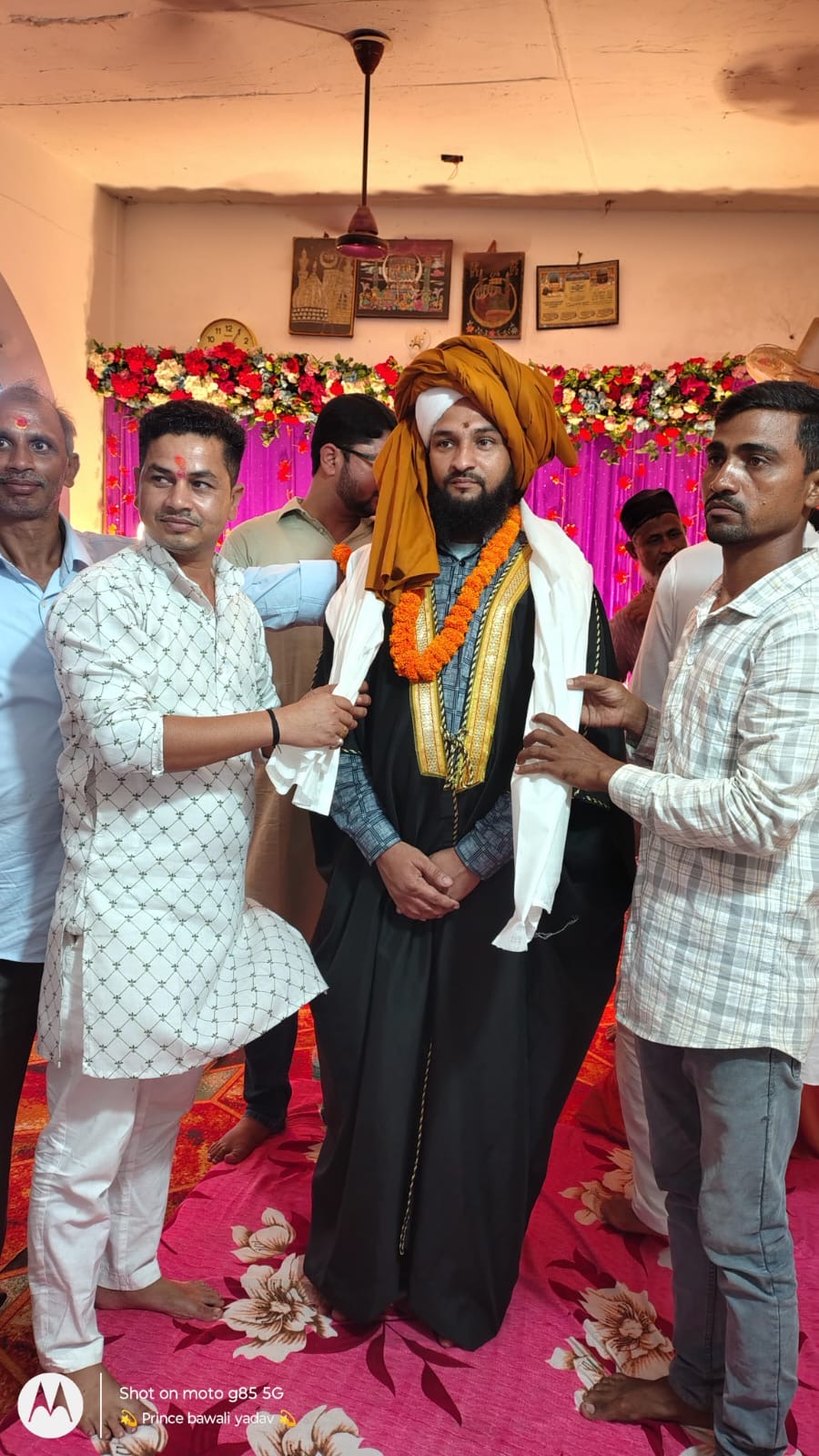
अमझर शरीफ के सज्जादानशीन सैयद मुहम्मद हुसैन कादरी का देवकुंड महंत कन्हैया नंद पुरी ने किया सम्मान
स्थानीय मान्यता के मुताबिक, सैयदना दादा साहब और देवकुंड के तत्कालीन महंत के बीच मुलाकात अमझर शरीफ की पुरानी ईदगाह के निकट हुई थी। इसके बाद दोनों धार्मिक स्थलों के बीच सम्मान और आत्मीयता की परंपरा मजबूत हुई।

बताया जाता है कि अमझर शरीफ में नए सज्जादानशीन की नियुक्ति के अवसर पर देवकुंड मठ की ओर से टोपी, गमछा और पगड़ी आदि भेजी जाती थी। इसी तरह देवकुंड में नए महंत के पदभार संभालने पर खानकाह की ओर से धोती, अंगोछा और पगड़ी भेंट करने की परंपरा रही।

यह परंपरा महज वस्त्रों के आदान-प्रदान तक सीमित नहीं थी, बल्कि दोनों धार्मिक संस्थानों के बीच सम्मान, मित्रता और भाईचारे की अभिव्यक्ति मानी जाती थी।

नक्सली तनाव के दौर में भी कायम रहा आपसी सम्मान

स्थानीय विवरणों के अनुसार, करीब 1944 के आसपास दोनों स्थानों के बीच प्रत्यक्ष संपर्क कमजोर पड़ गया। क्षेत्र में बढ़ते नक्सली तनाव और महंतों पर हुए हमलों के कारण उनका आना-जाना कम हो गया। हालांकि, आपसी सम्मान और उपहारों के आदान-प्रदान की परंपरा पूरी तरह समाप्त नहीं हुई।

नक्सली हिंसा और संकट के दौर में देवकुंड मठ एवं मंदिर की सुरक्षा में स्थानीय मुस्लिम समुदाय की भूमिका का भी उल्लेख मिलता है। इसे क्षेत्र की साझा सामाजिक विरासत और आपसी विश्वास की मिसाल के रूप में याद किया जाता है।

देवकुंड मंदिर से जुड़ी एक पुरानी निशानी

सैयदना दादा साहब के परिवार और देवकुंड मठ के बीच पुराने रिश्ते की एक निशानी के तौर पर उनके एक पोते की मजार शरीफ का भी स्थानीय स्तर पर उल्लेख मिलता है। बताया जाता है कि यह मजार कभी देवकुंड मंदिर के पश्चिमी द्वार की ओर स्थित थी, जो अब जमींदोज हो चुकी है।

स्थानीय और किताबी विवरणों में यह भी उल्लेख मिलता है कि देवकुंड के महंत ने अपने प्रिय मित्र सैयदना दादा साहब के पोते के सम्मान में पश्चिम दिशा में द्वार बनवाया था।

80 वर्षों बाद फिर आगे बढ़ी मोहब्बत की रिवायत

इसी ऐतिहासिक संत-सूफी प्रेम और भाईचारे की परंपरा को आगे बढ़ाते हुए देवकुंड के 17वें महंत श्री कन्हैया नंद पुरी जी महाराज ने अमझर शरीफ खानकाह कादरिया मुहम्मदिया के नए 15वें सज्जादानशीन सैयद मुहम्मद हुसैन कादरी साहब का सम्मान किया।
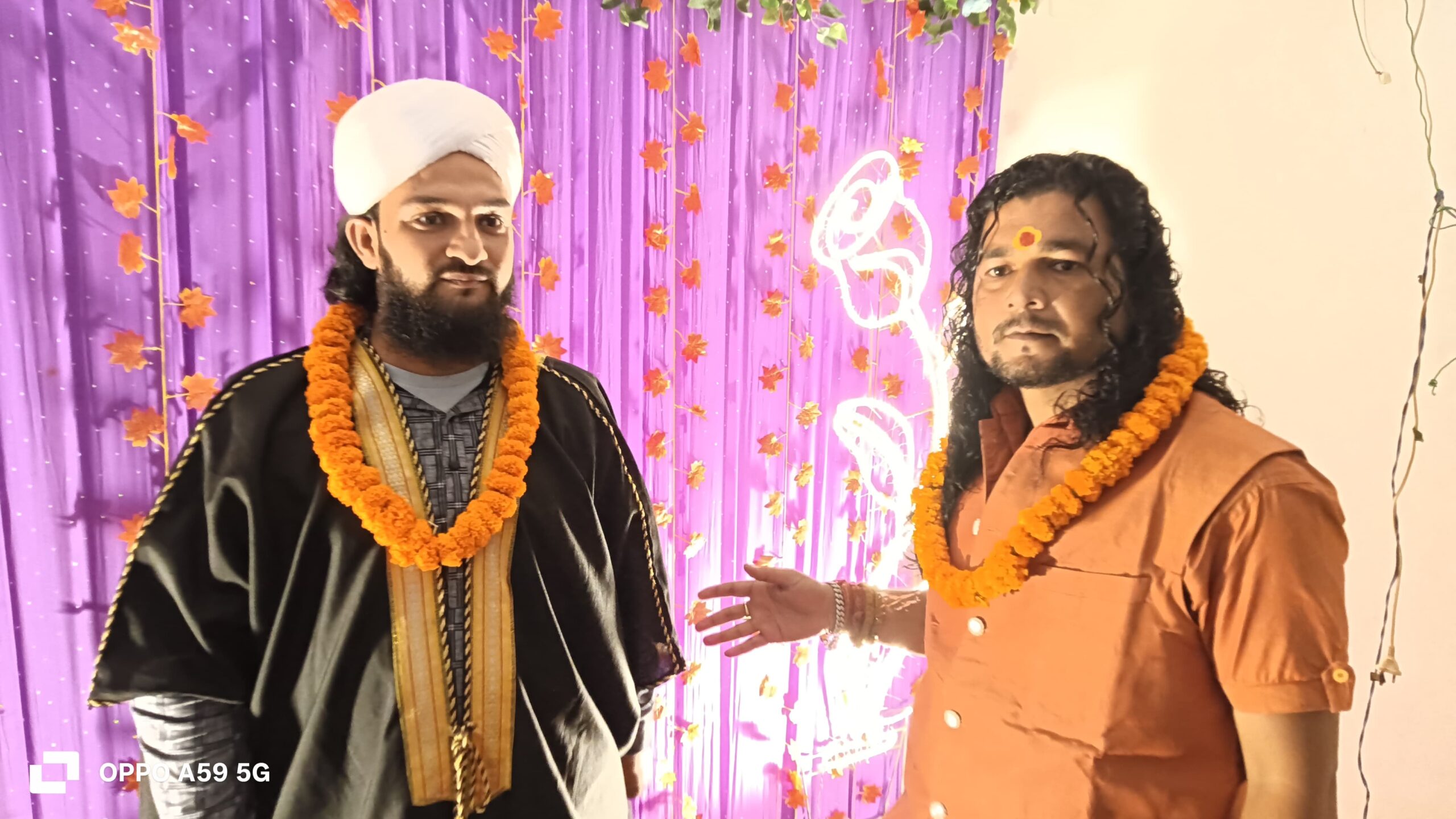
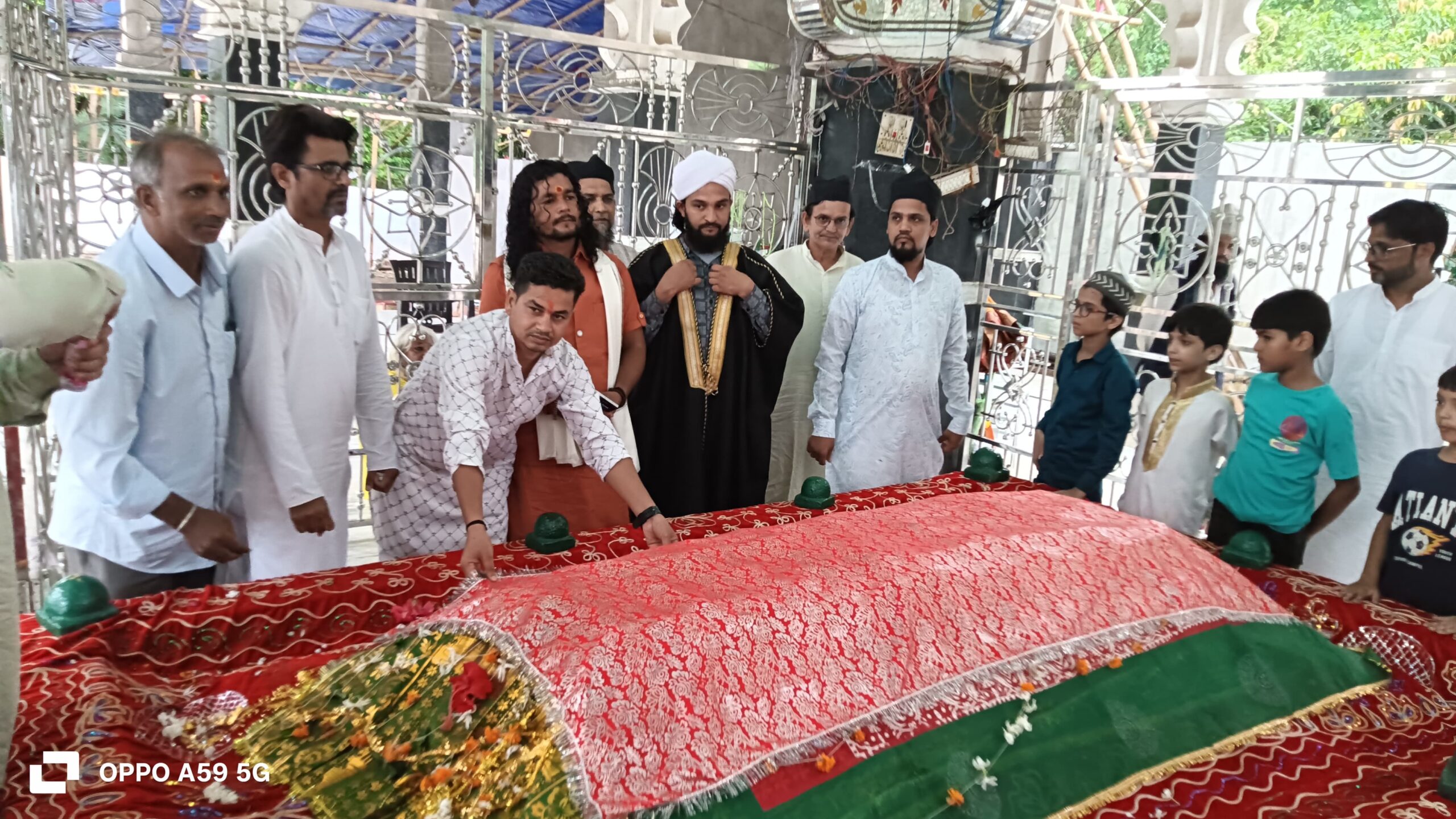
अमझर शरीफ के सज्जादानशीन सैयद मुहम्मद हुसैन कादरी का देवकुंड महंत कन्हैया नंद पुरी ने किया सम्मानमहंत श्री कन्हैया नंद पुरी जी महाराज ने चंदन का टीका लगाकर, पगड़ी बांधकर और अंगवस्त्र पहनाकर सैयद मुहम्मद हुसैन कादरी साहब का अभिनंदन किया। इस अवसर पर खानकाह के संरक्षक सैयद जमालुद्दीन आबिद कादरी साहब ने भी महंत जी को अंगवस्त्र भेंट कर सम्मानित किया।

करीब आठ दशक बाद हुई यह पहल पुराने रिश्ते को नई पीढ़ी के सामने लाने वाली महत्वपूर्ण घटना मानी जा रही है।

अल्पसंख्यकों की सुरक्षा और सम्मान पर जोर

इस अवसर पर महंत श्री कन्हैया नंद पुरी जी महाराज ने कहा कि दोनों स्थानों के अल्पसंख्यकों के हितों की रक्षा करना और उन्हें सम्मान देना दोनों धर्मस्थलों के प्रमुखों की महत्वपूर्ण जिम्मेदारी होनी चाहिए।
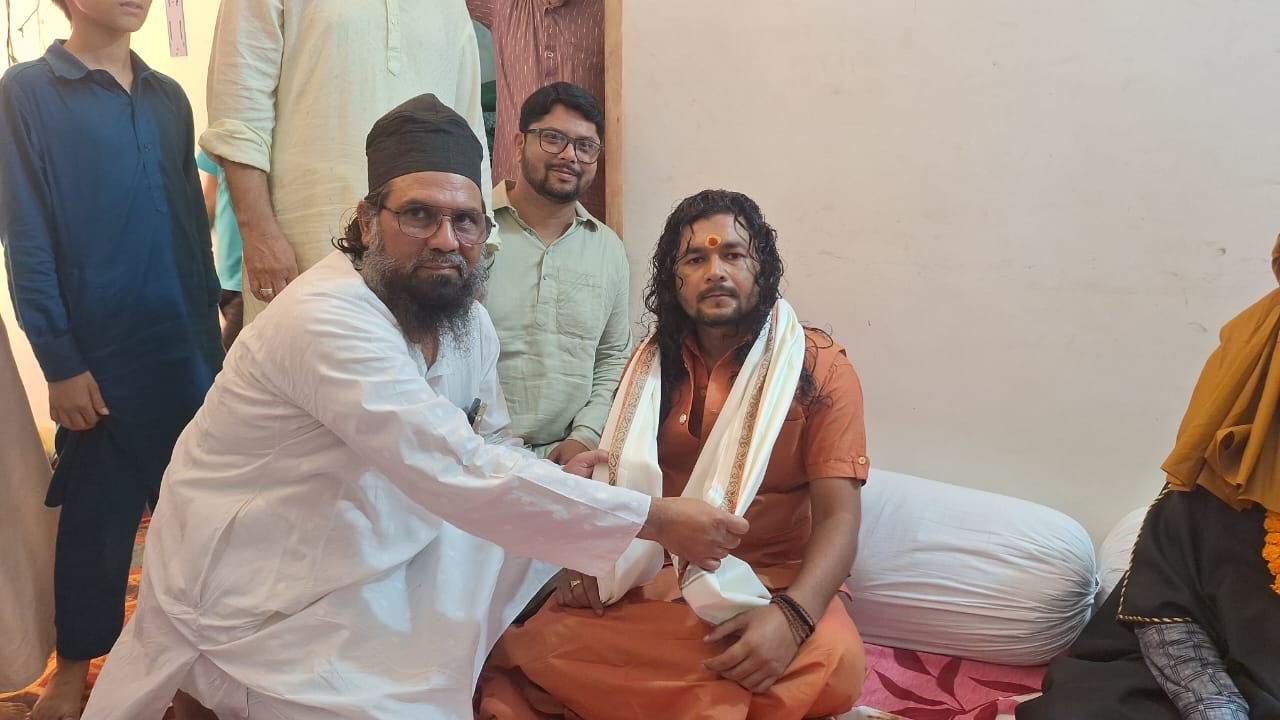
अमझर शरीफ के सज्जादानशीन सैयद मुहम्मद हुसैन कादरी का देवकुंड महंत कन्हैया नंद पुरी ने किया सम्मान

वहीं, खानकाह के नए सज्जादानशीन सैयद मुहम्मद हुसैन कादरी साहब ने महंत जी के प्रति आभार व्यक्त किया और हर संभव सहयोग एवं साथ देने की बात कही।

सनाउल्लाह अहमद रिजवी की रही महत्वपूर्ण भूमिका

इस ऐतिहासिक परंपरा को दोबारा व्यवहार में लाने में सनाउल्लाह अहमद रिजवी की महत्वपूर्ण भूमिका रही। उन्होंने जिला परिषद प्रतिनिधि के सहयोग से महंत जी तक यह संदेश पहुंचाया, जिसे महंत श्री कन्हैया नंद पुरी जी महाराज ने सहर्ष स्वीकार किया।
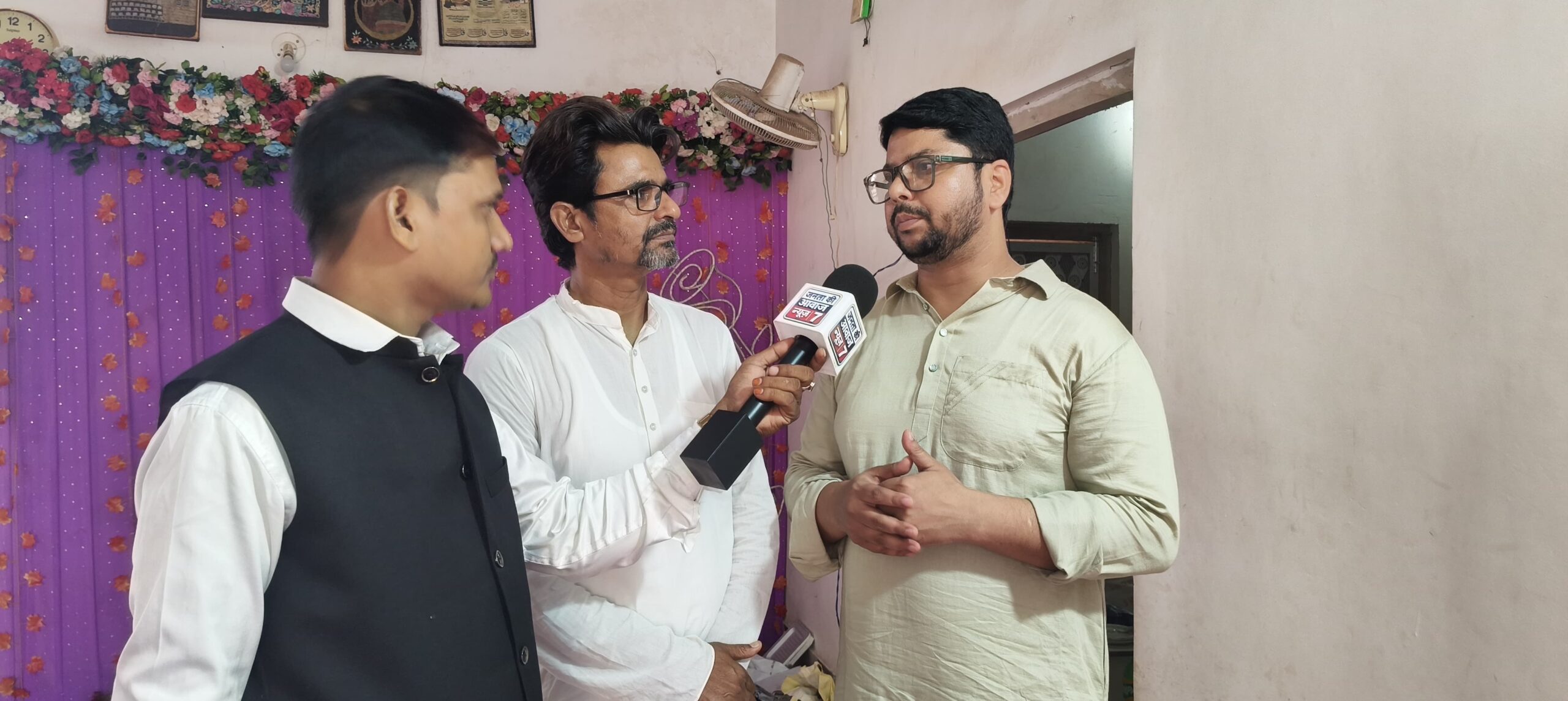
अमझर शरीफ के सज्जादानशीन सैयद मुहम्मद हुसैन कादरी का देवकुंड महंत कन्हैया नंद पुरी ने किया सम्मान

इस ऐतिहासिक अवसर के साक्षी फैजान कादरी, सैयद अबशार, सैयद फरमान कादरी, सैयद अली कादरी, सैयद अतिबुल्लाह कादरी, सनाउल्लाह अहमद रिजवी, अखलाक खान, अरविंद कुमार वर्मा, शंभू शरण सत्यार्थी सहित अन्य लोग बने।

मंदिर और खानकाह से ऊपर इंसानियत का संदेश

अमझर शरीफ और देवकुंड का यह मिलन केवल दो धार्मिक स्थलों के प्रतिनिधियों के बीच हुआ सम्मान समारोह नहीं है, बल्कि क्षेत्र की उस साझा विरासत की पुनर्पुष्टि है, जिसमें धार्मिक सीमाओं से ऊपर उठकर इंसानियत, प्रेम, सम्मान और एक-दूसरे की हिफाजत को प्राथमिकता दी गई।

सदियों पुरानी इस रिवायत का दोबारा सामने आना यह संदेश देता है कि मंदिर और खानकाह की परंपराएं अलग हो सकती हैं, लेकिन मानवता, भाईचारा और आपसी सम्मान की भावना साझा हो सकती है।
Barkatullah University Must Remain Barkatullah University

0

Ali Nadeem Rezavi 

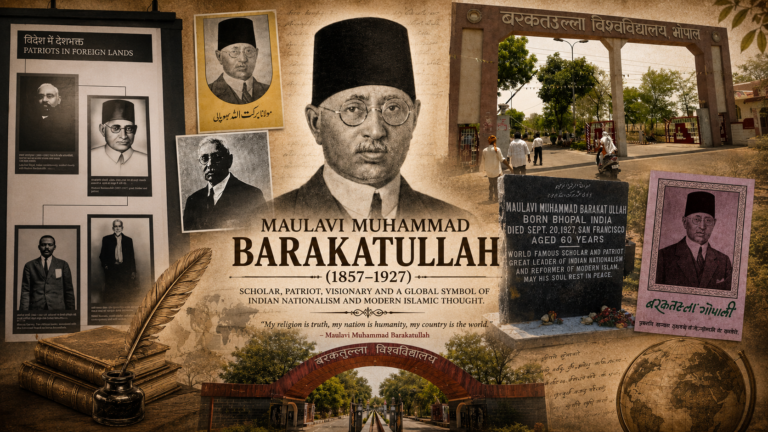
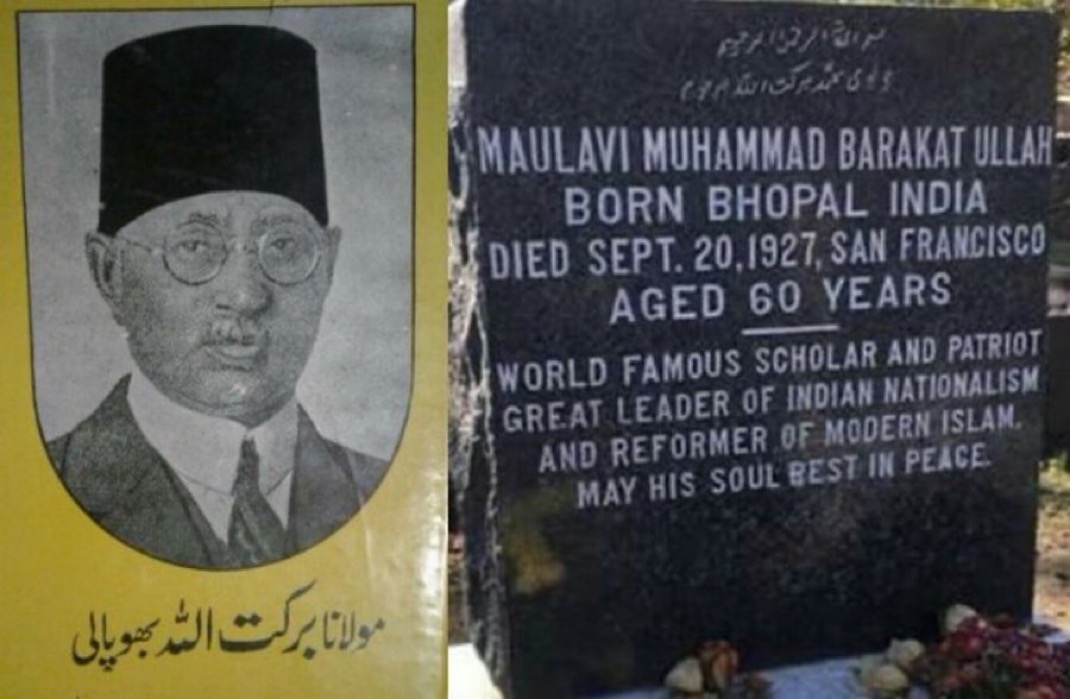
The idea of changing the name of Barkatullah University in Bhopal might sound like a small administrative matter, but it is much more than that. It touches on something deeper: how India chooses to remember its freedom fighters and what values we want to pass on to the next generation. Today, when public institutions are often caught up in political fights, trying to remove Maulana Barkatullah Bhopali’s name from the university feels less like a thoughtful review of history and more like an act of division. To understand why the name must stay, we first need to know who Maulana Barkatullah really was. He was born in Bhopal on July 7, 1854. As a child, he learned Arabic, Persian, and English, but his life took him far beyond the classroom. He traveled across Asia, Europe, and North America, always with one mission: to free India from British rule. Unlike many freedom fighters who worked from inside the country, Barkatullah spent most of his life in exile. Being away from home never weakened his love for India. He connected with anti-colonial movements around the world and became one of the most well-known Indian revolutionaries of his time. Inspired by resistance efforts in the Muslim world, he believed that justice was a global cause and that India’s freedom was part of that larger fight.

What makes Barkatullah special is his strong belief that India could only be free if all its communities stood together. He worked closely with Hindus, Muslims, Sikhs, and people from every region. The best example of this is the Provisional Government of India set up in Kabul in 1915. Along with Raja Mahendra Pratap, a Hindu prince, and Maulana Ubaidullah Sindhi, a great Islamic thinker, he formed a government in exile. Raja Mahendra Pratap became President, and Barkatullah became Prime Minister. This was one of the first times Indians had set up their own independent political body outside British control. This story is important not just because it challenged the British but because it showed a vision of India where people of different faiths fought side by side for a common goal. Long before we started talking about secularism in textbooks, Barkatullah and his friends lived it. They proved that the fight against colonialism needed love and trust between all communities.

Barkatullah gave up comfort, family, and the safety of home. He never got to return to India. He died in exile in the United States on September 20, 1927, never seeing the free India he had worked so hard for. It is said that his last words were not bitter or sad; he only regretted that he would not see a free India, but he was sure that future generations would finish what he and his comrades had started. That is why naming the university after him was not a small or sectarian gesture; it was a genuine thank you from the nation. The name “Barkatullah University” honors not just one man but a whole tradition of sacrifice, cross-border work, and Hindu-Muslim unity in the freedom struggle.

If we remove his name today, we send a troubling message. It would seem that we no longer judge a freedom fighter by what he did for the country but by his religion. That would be a shallow and unfair way to look at our own history. India’s freedom movement was strong precisely because it included people of every faith, language, caste, and region. To erase Barkatullah is to erase that richness. For decades, thousands of young men and women have graduated from here, saying with pride, “I am from Barkatullah University.” The name is woven into their memories of late-night studies, friendships, and dreams of a better future. Changing the name would rip apart that shared feeling of belonging and would feel like a loss not just of a name but of a part of their own identity.

A confident nation does not erase its heroes; it remembers them, even when that memory feels uncomfortable to some. Preserving the name of Maulana Barkatullah Bhopali means preserving a vital part of India’s history: a history of resistance, unity, and an inclusive dream of nationhood. Think of the other freedom fighters we have honored across India, regardless of their religion: Bhagat Singh, Subhas Chandra Bose, Ashfaqulla Khan, and Maulana Abul Kalam Azad. No one has suggested removing their names from public places. To single out Barkatullah would not be historical correction; it would be historical exclusion, and that is not something a fair-minded country should do.

Barkatullah University must remain Barkatullah University because names matter. They carry stories and teach us who we are. His story tells us that India belongs equally to everyone who loves it.

आज़ादी के लिए 45 साल वतन से दूर रहने वाले बरकतुल्लाह भोपाली का नाम क्यों मिटाया जा रहा है?

0

एक तरफ़ सरकार आज़ादी का अमृत महोत्सव मनाएगी, दूसरी जानिब आज़ादी के अज़ीम रहनुमा बरकतुल्लाह भोपाली के नाम को मिटाने की कोशिश करेगी।

एक तरफ़ सरकार राजा महेंद्र प्रताप के नाम पर राजनीति कर यूनिवर्सिटी बनाएगी, वहीं दूसरी जानिब उनके सबसे क़रीबी बरकतुल्लाह भोपाली के नाम पर बनी यूनिवर्सिटी का नाम मिटाएगी।

एक तरफ़ सरकार नेताजी सुभाष चंद्र बोस को सेलिब्रेट करेगी, वहीं दूसरी तरफ़ उनके लिए विदेशों में जापान से लेकर जर्मनी तक माहौल बनाने वाले महान क्रांतिकारी बरकतुल्लाह भोपाली के नाम को नीचा दिखाने की कोशिश करेगी।

एक तरफ़ सरकार विनायक दामोदर सावरकर को क्रांतिकारी के रूप में स्थापित करना चाहती है, और दूसरी जानिब जिस बरकतुल्लाह भोपाली से प्रेरित होकर इंग्लैंड के इंडिया हाउस में क्रांतिकारी आंदोलन को उन्होंने आगे बढ़ाने की कोशिश की, उन्ही के नाम को ख़त्म करने की कोशिश कर रही है।

कुल मिलाकर भारत के पहले प्रधानमंत्री बरकतुल्लाह भोपाली (1915) के नाम पर जहाँ भारत के हर राज्य की राजधानी में एक स्मारक बनना चाहिए था, वहीं उसके नाम को उन्ही के शहर भोपाल से मिटाने की कोशिश की जा रही है।

एक ज़माना था जब लोग बहादुर शाह ज़फ़र के क़ब्र की मिट्टी रंगून (बर्मा) से और बेगम हज़रत महल के क़ब्र की मिट्टी काठमांडु(नेपाल) से हिन्दुस्तान लाने की बात करते थे पर आज कैलीफ़ौरनिया (अमेरिका) मे लेटे बरकतुल्लाह भोपाली के नाम तक को मिटाने की कोशिश की जा रही, जबके ये उनकी चाहत थी के हिन्दुस्तान के आज़ाद होने के बाद उन्हे वापस हिन्दुस्तान मे दफ़नाया जाए…

न दबाया ज़ेरे-ज़मीं उन्हें, न दिया किसी ने कफ़न उन्हें

न हुआ नसीब वतन उन्हें, न कहीं निशाने-मज़ार है.

ये ध्यान रहे कि 45 साल भारत से दूर रह कर आज़ादी की जद्दोजहद करने वाले बरकतुल्लाह भोपाली दुनिया के अलग अलग हिस्सों रहते हुए अमेरिका पहुंचे और वहीं 27 सितम्बर 1927 बरोज़ मंगल की रात उनकी आख़री रात थी, उस समय वोह अपने पुरे होश ओ हवास मे थे, और उस वक़्त अपने कुछ साथियों के सामने, जो उस समय उनके बिस्तर के पास मौजुद थे, से कुछ बात कही जो कुछ इस तरह थे :-

तमाम ज़िन्दगी मै पुरी ईमानदारी के साथ अपने वतन की आज़ादी के लिए जद्दोजेहद करता रहा, ये मेरी ख़ुशक़िसमती थी के ये मेरी नाचीज़ ज़िन्दगी मेरे प्यारे वतन के काम आई. आज इस ज़िन्दगी से रुख़सत होते हुए जहां मुझे ये अफ़सोस है के मेरी ज़िन्दगी में मेरी कोशिश कामयाब नही हो सकी, वहीं मुझे इस बात का भी इतमिनान है के मेरे बाद मेरे मुल्क को आज़ाद करने के लिए लाखो आदमी आज आगे बढ़ आए हैं, जो सच्चे हैं, बहादुर हैं और जाबाज़ हैं.. मै इतमिनान के साथ अपने प्यारे वतन की क़िसमत उनके हांथो मे सौंप कर जा रहा हुं…

इसके बाद बरकतुल्लाह भोपाली का इंतक़ाल हो चुका था और उनके चाहने वाले का बुरा हाल था जिस बारे मे आरज़ी हुकुमत ए हिन्द (1915) मे राष्ट्रपति की हैसियत रखने वाले राजा महेन्द्र प्रताप लिखते हैं :-  “इस जिगर सोज़ नाज़ुक मौक़े पर मैने मौलाना साहेब के बहैसियत क़रीब क़रीब दोस्त और वारिस होने की हैसियत से तजहीज़ो तकफ़ीन के फ़राएज़ अंजाम दिये.. उन आख़री रसमों मे हिन्दु, मुस्लिम और सिख बराबर के शरीक थे.. हर एक ने अपने मज़हबी अक़ीदे के मुताबिक़ रसोमात अदा कीं.. ये बड़ा यौादगार दिन था.. डॉ सैयद हुसैन, डॉ रहमत अली, यौरी सिंह, राम सिंह सहीत सैकड़ो हिन्दुस्तानी अपने इस अज़ीम इंक़लाबी रहनुमा को ख़िराज ए अक़ीदत पेश करने जमा हुए थे..”

चेहरा ऩुमाई ख़त्म होने पर सैकड़ों सिसकियों और अश्कबार आंखो के साथ उनके ठंडे पड़े बदन को एक क़ीमती संदूक़ मे बंद कर के Sacramento से Maryville पहुंचया गया.. और वहां के मुस्लिम क़ब्रिस्तान मे ये कह कर दफ़न कर दिया के हिन्दुस्तान के आज़ाद हो जाने पर तुम्हारी ख़ाक को हिन्दुस्तान पहुंचा दिया जाएगा.. आख़री रसम मौलवी रहमत अली, डॉ सैयद हुसैन, डॉ औरंग शाह और राजा महेन्द्र प्रताप ने मिल कर अदा कीं और इस अज़ीम इंक़लाबी अमेरिका की सरज़मीन मे सुपुर्द ए ख़ाक कर दिया गया..

अब बेशर्मी देख लीजिए, किनके हाथ में मुल्क की डोर दी गई है?? ध्यान रहे कि पंडित जवाहर लाल नेहरू आज़ादी से पहले अपने यूरोप दौर पर बरकतुल्लाह भोपाली से मिले थे।

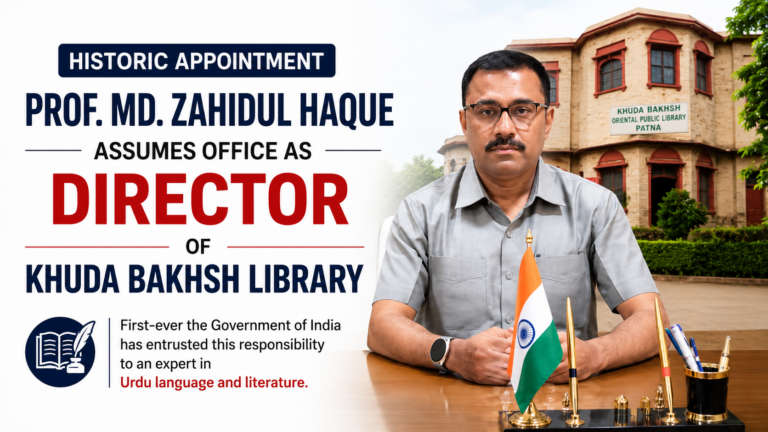
Urdu Scholar Prof. Md. Zahidul Haque Appointed Director of Khuda Bakhsh Oriental Public Library

Patna, June 1, 2026: Renowned Urdu scholar, literary critic, poet, and academician Professor Md. Zahidul Haque has formally assumed charge as the Director of the prestigious Khuda Bakhsh Oriental Public Library, Patna, on June 1, 2026. Significantly, this marks the first time that the Government of India has entrusted the leadership of the internationally acclaimed institution to a scholar specializing in Urdu language and literature.

Professor Haque is currently associated with the Department of Urdu at the University of Hyderabadand is widely recognized for his outstanding contributions to Urdu literature, research, education, and cultural studies. An alumnus of Aligarh Muslim University (AMU) and Jawaharlal Nehru University (JNU), he began his academic career at the University of Delhi before serving briefly at Shibpur Dinobundhoo College under the University of Calcutta. He later joined the University of Hyderabad, where he rose to the rank of Professor through his distinguished academic service.

Over the years, Professor Haque has established himself as a respected literary figure in Urdu studies. He is known not only for his poetry but also for his contributions as a critic and researcher. His acclaimed works include Inamullah Khan Yaqin: Ahd aur Shayari, Bisat-e-Naqd: Tanqidi Mazameen, and Atharvin Sadi mein Urdu Ghazal ka Fikri Nizam. His scholarly writings have received appreciation from eminent literary personalities including Professor Muhammad Hasan, Professor Wahab Ashrafi, Professor Irtiza Karim, Professor Ghazanfar Ali, and Professor Safdar Imam Quadri.

More than 100 of his research papers have been published in reputed peer-reviewed journals, earning him recognition within academic and literary circles. Acknowledging his extensive contributions to education, culture, and Urdu literature, the Union Ministry of Culture appointed him as the Director of the Khuda Bakhsh Oriental Public Library.

Soon after assuming office, Professor Haque conducted a detailed inspection of the library and interacted with officials heading various departments to understand their ongoing work and future plans. Given his strong background in research, teaching, writing, and manuscript studies, scholars and library experts believe that the institution is poised for significant growth under his leadership.

During the formal handover ceremony, Prof. Siddharth Singh, former Director-in-Charge of the Khuda Bakhsh Library and Vice-Chancellor of Nav Nalanda Mahavihara, extended his best wishes to the newly appointed Director.

The appointment has been widely welcomed by teachers, students, researchers, and Urdu language enthusiasts across the country. Many have described Professor Haque’s arrival at the historic institution in Azimabad (Patna) as a positive and promising development, expressing confidence that the library will achieve new milestones under his visionary guidance.

About Khuda Bakhsh Oriental Public Library

The Khuda Bakhsh Oriental Public Library, located in Patna, is one of India’s most celebrated research libraries. It is internationally known for its rare manuscripts, historic books, and invaluable collections related to Islamic, Persian, Arabic, and South Asian studies. The library serves as a major center for research scholars from across the world.

Why wasn’t Sarfarosh a propaganda movie?

Why wasn’t Sarfarosh a propaganda movie?

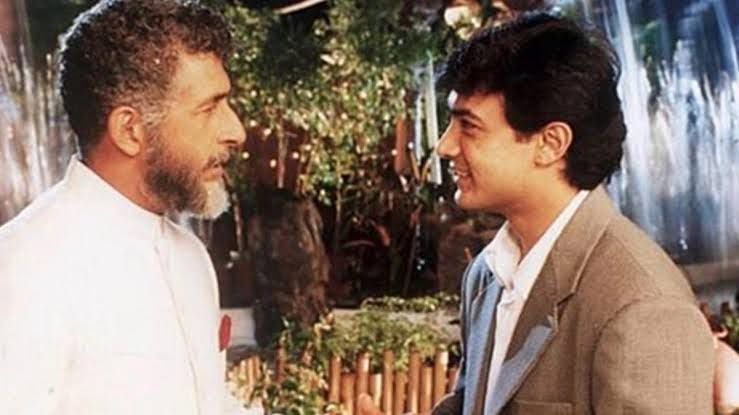
Naseeruddin Shah, a darling of the Indian left-liberal, played the role of a Pakistani Ghazal singer, Gulfam Hassan, in John Matthew Matthan’s 1999 movie Sarfarosh where Aamir Khan essayed the role of ACP Ajay Singh Rathod. Naseeruddin Shah has openly advocated the need of artists being sensitive while selecting the ‘propaganda’ movie.

Of course in 1999, he was younger and might not have had a very good understanding of the world. The movie was released in April 1999, a month when Atal Bihari Vajpayee led government fell down paving the way for the next elections. But, what was more important was the plot of this movie, Sarfarosh.

In the movie – Gulfam Hassan, a Pakistani singer, was basically working for the ISI, Pakistani intelligence agency, to supply arms to insurgents in India – which included tribals and leftist groups. The interesting part was – in April 1998, a year before the release of Sarfarosh, Shiv Sena and other groups stopped a concert of Ghulam Ali, a Pakistani ghazal singer in Mumbai. The movie actually syncs with the sentiments of Shiv Sena that Pakistani artists performing in India could be spies or agents. The similarity in the names – Ghulam & Gulfam were no coincidence as Naseruddin’s character was also a ghazal singer.

Maidul Islam notes, “First, the film names Pakistan to be an enemy involved in cross-border terrorism. No other film had named Pakistan before. Ever since [then], Pakistan is now named in many commercial films,…… Second, the protagonist, a police officer, Aamir Khan, mouths the dialogue that he does not need any Salim to defend his house. A former Prime Minister of India is reported to have said in an election campaign that his party does not need the vote of Muslims……. Sarfarosh went a step further and in a chillingly sinister move casts the Ghazal singer from Pakistan as the undercover terrorist.… A whole arsenal of unexamined prepositions is bruited about without any self-consciousness or skepticism. Islam means Jihad, Muslim means terrorist; film after film hammers it down heavily till it seems the only truth possible. The possibility of any sympathetic understanding is simply ruled out by the point-of-view convention. The spectator is unwittingly made subliminal conquistadores who share the overheated perspective of the filmmaker.”

Of course, Sarfarosh cannot be a propaganda movie since Naseeruddin Shah had played the role of Gulfam Hassan.

From Slice of Life to Political Drama: Panchayat Season 4 Review

By Asad ur Rahman

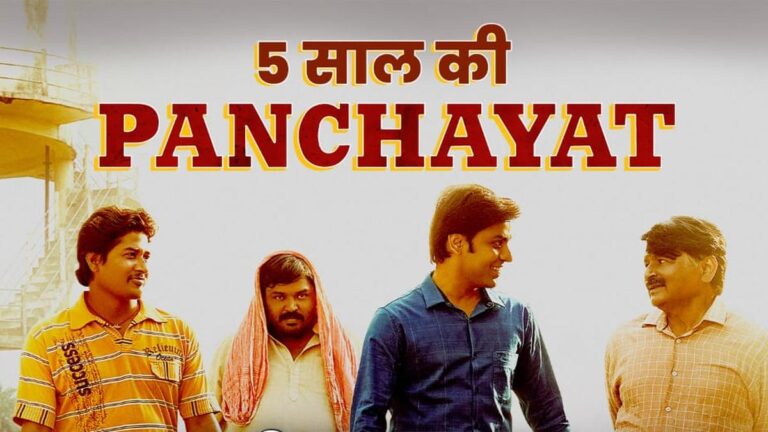
In a time when Indian web series often struggle to find the right mix of depth and mass appeal, Panchayat stands out as a quietly engaging story that’s found its place. The fourth season of this popular show takes a noticeable shift by focusing more on the political dynamics that shape rural life, especially with the upcoming village panchayat elections. While it keeps its signature warmth and humor, the heightened focus on electoral conflicts has led to mixed feelings among viewers—some appreciate the realism of village politics, while others miss the more slice-of-life vibe of earlier seasons.

Season 4 revolves around the intense rivalry between Pradhan’s and Bhushan’s groups as they vie for power, showcasing how closely politics is tied to daily life in rural areas, from marriage deals to local power plays. This backdrop creates a tangible tension that propels much of the story, though some critics feel the pacing can be slow and stretched at times, potentially testing the patience of those looking for a faster-paced narrative. Still, the series continues to develop both personal and political storylines for key characters, especially Abhishek and Rinki, whose relationship becomes more complex amid the election chaos.

Through First Eyes, Again: My Experience with the Live-Action ‘How to Train Your Dragon’ (2025)

Jitendra Kumar remains a solid and relatable presence as Abhishek Tripathi, delivering a performance filled with subtlety and emotional depth. Veteran actors like Neena Gupta and Raghubir Yadav add authenticity to the story, bringing warmth and richness to their roles. However, some political foes seem underdeveloped or less menacing than before, which slightly diminishes the potential drama surrounding the elections.

Visually, the show keeps its naturalistic, almost documentary-like vibe, capturing the textures and rhythms of rural life without any fluff. The direction by Deepak Kumar Mishra and Akshat Vijaywargiya leans into quiet moments and real interactions, which helps balance the heavier political themes.

Humor still runs through the story, coming naturally from the quirks of village life and character dynamics. However, some fans feel that the comedic bits have been a bit overshadowed by the political focus, making this season feel heavier compared to the lighter tone of earlier ones. Still, many appreciate how the show manages to blend political realities with relatable humor and emotional moments, offering a nuanced look at rural India’s social fabric.

Beyond Binary: Navigating the Nuances of Algorithmic Bias and Technological Discrimination

The pacing and narrative structure of the season have sparked mixed reactions. While the storytelling is intentional, it sometimes feels a tad slow, with some episodes coming off more like fillers than meaningful developments. This has led to audience calls for a more focused ending since the prolonged focus on electoral politics seems to have lessened the momentum seen in previous seasons. “Story should be finished soon,” one viewer suggested, echoing a broader impatience with the drawn-out narrative arcs. The struggle between staying true to the slow pace of village life and keeping engaging drama alive is clear, and Panchayat navigates this tightrope with varying degrees of success.

Interestingly, the election itself, a key plot point, can sometimes feel too predictable, with the outcome seeming obvious well before the finale. However, this predictability doesn’t completely take away from viewers’ enjoyment who value the show’s nuanced character interactions and its depiction of community dynamics. For many, the emotional stakes—especially those linked to Abhishek’s journey—remain at the heart of what makes this season compelling.

The social commentary woven into the season provides a multi-layered look at rural India’s political scene. From local alliances to grassroots campaigning, the series highlights how power and personal connections mix, often making it hard to tell where public duty ends and private ambition begins. Viewers who know these environments have praised this realistic depiction, seeing their own experiences reflected in the unfolding story.

Additionally, Panchayat keeps doing a great job of including small but significant details of rural life—like festivals, community rituals, and everyday struggles—which add depth and authenticity to the story. These aspects enrich the plot beyond just the election focus, reminding viewers that beneath all the political moves is a lively, close-knit community dealing with change and continuity.

On a character level, the growth is striking. Abhishek’s transformation from a somewhat naive city outsider to a more grounded person involved in his community is clear. His interactions with other villagers, including Rinki and the panchayat members, show increasing complexity and maturity. Meanwhile, supporting characters may get sidelined by the main political plot at times, but they still provide moments of humor and insight that balance the story.

The performances really anchor the show’s emotional heart. Jitendra Kumar’s subtle take on Abhishek gives us a glimpse into the dilemmas faced by young Indians caught between ambition and duty. Neena Gupta and Raghubir Yadav bring both weight and humor to their roles, making their characters feel like the village’s heartbeat and conscience.

Even with some narrative inconsistencies, Panchayat Season 4 remains a strong exploration of where tradition meets power and personal dreams. Its thoughtful storytelling approach and ongoing character arcs make sure that the series stays relevant and engaging for its audience.

Through First Eyes, Again: My Experience with the Live-Action ‘How to Train Your Dragon’ (2025)

By Asad Ur Rahman


As a fan of the original How to Train Your Dragon trilogy, I approached its 2025 live-action remake with cautious optimism. A cherished story making a return to the screen always brings both nostalgia and critique. However, nothing quite prepares you for the experience of watching a world once animated with rich style, now reimagined in the realistic format of cinema. I was not alone in my apprehension—Reddit discussions had already started filling up with cautious optimism, technical feedback, and emotional parallels. So I entered the theater, eager to experience the film firsthand.

From the very first frame, it was evident that the film had opted for reverence rather than reinvention. Director Dean DeBlois, revisiting his own original work, seems to have approached the story as if it were sacred text. Much of the structure remains true—perhaps almost too much so. Numerous scenes unfold shot-for-shot, beat-for-beat, a decision that sparked both comfort and intrigue. Would this be an authentic retelling or simply a live-action reflection?

Beyond Binary: Navigating the Nuances of Algorithmic Bias and Technological Discrimination

Mason Thames as Hiccup was my initial adjustment. Online opinions were mixed—some viewers felt he lacked the quirky energy of animated Hiccup, while others appreciated the grounded sincerity he offered. I found myself leaning toward the latter perspective. Thames doesn’t dominate the screen in a conventional way, but his emotional vulnerability—particularly in quieter moments—felt genuine. He’s more reflective than charismatic, but perhaps that’s a natural progression in a more serious cinematic landscape.

Nico Parker’s portrayal of Astrid, however, felt instantly fitting. Reddit users remarked on how effectively she captured the confident, resolute warrior without coming across as overdone. Her presence on screen is both graceful and powerful, and her chemistry with Thames, though subtle, feels authentic.

Conversely, the supporting characters were more challenging to accept. The humor from Ruffnut, Tuffnut, and Snotlout—so crucial to the original’s lightheartedness—seems lackluster here. Numerous reviewers pointed out that what once appeared as comedic brilliance now teeters on awkwardness. In live-action, exaggerated antics risk veering into caricature, and regrettably, this adaptation doesn’t always maintain that balance smoothly. I found myself taken out of the narrative whenever the dialogue felt overly forced.

However, the true measure of the film rested with Toothless—and in this regard, the creators excelled. Reddit reviews have been almost unanimous in lauding the CGI dragon’s expressive eyes, fluid movement, and remarkable realism. Observing Toothless as he moves, blinks, and flies—he didn’t merely resemble a mythical creature; he felt alive. When Hiccup reaches out his hand for the first time and Toothless reacts with cautious curiosity, it was as if I witnessed magic being rediscovered.

That specific scene, celebrated online as the film’s emotional high point, resonated in the theater—quiet, slow, intimate, and flawless.

Where the film stumbles is not in its spectacle, but rather in its pacing. I observed, as many Reddit users did, that the second act feels prolonged. The conflict between Hiccup’s hidden friendship and the tribal pressures surrounding dragon hunting appears rushed at times, wandering at others. The emotional stakes do not always build to a climax as they did in the animated version, possibly because the story’s familiarity diminishes its urgency. Nevertheless, John Powell’s revised score—reorchestrated yet retaining its thematic essence—succeeded in elevating moments that might have otherwise seemed lackluster. While some viewers missed the animated version’s whimsical charm, many (myself included) valued the new score’s depth and resonance.

Visually, the film is a spectacle of shadows and scale. Berk is depicted with a rugged authenticity—jagged coastlines, billowing forges, and towering cliffs—but as one Reddit user noted, the vibrancy has faded. It’s overly grey, too grounded. The cinematography is undeniably stunning, yet it sacrifices wonder for heaviness. The aerial scenes, however, remain awe-inspiring. When Hiccup and Toothless soar into the sky, the screen expands, and I too felt myself lifted from the ground, if only for a moment.

However much I appreciated these highlights, I couldn’t shake the impression that the film relies heavily on pre-existing affection. As many Redditors remarked, “If you loved the original, you’ll likely enjoy this.” It provides little to attract a new audience unfamiliar with its lore. There exists a delicate balance between homage and reliance, and this adaptation precariously navigates it.

And yet, by the film’s conclusion, I found myself overlooking its missteps. The emotional finale—still as poignant as ever—reminded me of why this narrative persists. It addresses the enduring conflict between fear and understanding, between tradition and empathy. Reddit users had commended the film’s message for staying true, and I concur: in theme, if not always in tone, this adaptation retains the essence of the original.

Exiting the theater, I didn’t feel overwhelmed. I felt contemplative. This live-action How to Train Your Dragonisn’t a reimagining. It doesn’t ignite new passion into the tale. But it doesn’t tarnish it either. It feels like someone thoughtfully placing a cherished heirloom in a new frame—not for novelty, but for preservation.

For Indian viewers, who value myth, animal symbolism, and stories of unexpected friendships, the film may resonate well. It won’t captivate every viewer or win over every skeptic. But for those willing to reconsider—with moderated expectations and an open heart—it presents a journey worth embarking on.


AAP’s 2025 Rout: A Grave Dug in 2020

0

Shahnawaz Mughal 


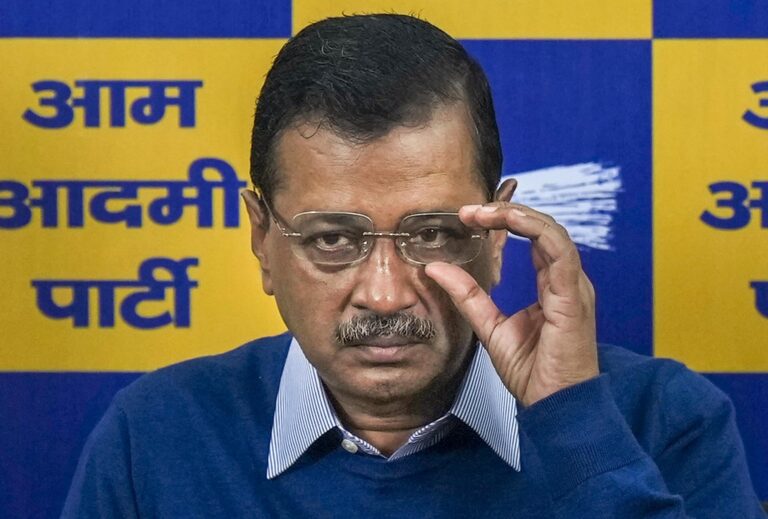
The 2025 Delhi Assembly elections have concluded with a resounding victory for the Bharatiya Janata Party (BJP), marking their return to power in the capital after 27 years. The Aam Aadmi

Party (AAP), which once symbolized hope and change, has faced a significant defeat, securing only 22 seats out of 70. This outcome, while surprising to some, seems to be the culmination of a series of missteps that began as early as 2020.

In 2020, AAP was at the zenith of its popularity, having secured a landslide victory by focusing on development and welfare. However, the party’s stance on several critical issues began to alienate its core supporters, particularly the Muslim community, which had backed AAP wholeheartedly.

The abrogation of Article 370 in August 2019 was a pivotal moment in India’s political landscape. While many parties took clear stances, AAP’s ambiguous position disappointed many Muslims who viewed the move as detrimental to the autonomy of Jammu and Kashmir.

The Tablighi Jamaat incident in 2020 further strained relations. The congregation was widely blamed for a surge in COVID-19 cases, leading to widespread vilification of the Muslim community. Instead of defending the community against sweeping generalizations, AAP leaders joined the chorus of condemnation, deepening the sense of betrayal among their Muslim supporters.

The 2020 Delhi riots were perhaps the most glaring example of AAP’s failure to stand by its principles. As violence engulfed parts of the city, the party’s leadership remained conspicuously silent. The deployment of police against protesting Jamia Millia Islamia students further highlighted AAP’s reluctance to challenge majoritarian narratives.

More recently, AAP leader Awadh Ojha’s support for the Uniform Civil Code (UCC) has been perceived by many as an endorsement of policies that could undermine Muslim personal laws.

During the Gujarat elections, the party’s silence on issues like the Bilkis Bano case and other injustices faced by Muslims was deafening.

If Arvind Kejriwal aspired to adopt a Hindutva stance, it would have been more honorable to do so openly rather than at the expense of dehumanizing the very community that had placed its trust in him. Since the 2020 riots, there has been a noticeable distancing of Muslims from AAP, a sentiment that was evident in the Municipal Corporation of Delhi (MCD) election results, where the Congress made a comeback in several wards.

The All India Majlis-e-Ittehadul Muslimeen (AIMIM) also made its presence felt, contesting fiercely in two seats with support from leaders across states. In Mustafabad, Tahir Hussain did not win but cut into AAP’s vote share, leading to a seat that AAP could potentially win being lost to BJP. The Indian National Congress (INC) played a strategic role in AAP’s defeat. In nearly a dozen seats, the votes garnered by INC candidates exceeded the margin between the winning BJP candidate and the losing AAP candidate. This outcome can be seen as a form of retribution for AAP’s role in the Congress’s decline in regions like Haryana.

With many of its leaders losing their seats, AAP faces an uncertain future. The party lacks a dedicated cadre, and many of its members, driven by personal ambitions rather than a shared ideology, may begin to seek alternatives. For the Congress, this presents an opportunity to reclaim its pre-2013 voter base. However, the rise of AIMIM, which finished third in the two seats it contested and emerged as the fourth-largest party by vote share, indicates that Muslims are exploring new political avenues.

Arvind Kejriwal must now confront a critical juncture: he needs to define and adhere to a clear ideology. Without this, the party risks further decline. The BJP is likely to initiate efforts to capitalize on AAP’s vulnerabilities, and without a strong ideological foundation, AAP may witness defections in Delhi, Punjab and Gujrat. The Congress, on its part, must address the challenge posed by AIMIM if it hopes to reestablish itself as a formidable force in Delhi.

Muslim voters, too, must reconsider traditional voting patterns. It’s imperative to vote strategically, supporting parties and candidates who are vocal and proactive on issues that affect their community. AIMIM has demonstrated this capability, and its rise suggests a shift towards more assertive political representation.

The victories of candidates like Kapil Mishra, Ravinder Negi, and Parvesh Verma raise pressing questions about the conscience of the electorate. Their triumphs prompt reflection on the values and priorities that guide voter decisions in our democracy.

To conclude, AAP’s decline in the 2025 Delhi elections is not an abrupt fall but the result of a series of decisions that alienated its core supporters. The party’s journey from a symbol of hope to its current predicament offers valuable lessons on the importance of staying true to one’s principles and the perils of political ambiguity.

बाबरी मस्जिद की एक अनकही दास्तान…

0

ये आज के समय की एक आम धारणा है कि भारतीय जनता पार्टी (भाजपा), विश्व हिन्दू परिषद् (वीएचपी), राष्ट्रीय स्वयंसेवक संघ (आरएसएस) आदि संगठनों ने ही मुस्लिम विरोधी माहौल इस देश में बनाया है। भाजपा और वीएचपी ने लाल कृष्ण आडवाणी और अशोक सिंघल के नेतृत्व में जो राम मंदिर आन्दोलन चलाया वही कारण था भारत में होने वाले हिन्दू-मुस्लिम दंगों का भी और बाबरी मस्जिद के ‘शहीद’ होने का भी। जबकि कांग्रेस को इस आरोप से मुक्त रखा जाता है।

आज के समय में कुछ बातों पर ध्यान देना और तब कि घटनाओं को इतिहास के चश्मे से देखना ज़रूरी है। आमतौर पर जब भी बात होती है बाबरी मस्जिद की तो ज़िक्र अयोध्या, बाबर, रामजन्मभूमि, 1949 में श्री राम की मूर्ति स्थापना, 1986 के ताला खुलने और 6 दिसम्बर के इर्द गिर्द ही होती है। लेकिन इसके अलावा बहुत से बिंदु हैं जिनको देखना ज़रूरी है।

भारत में 1952 से आम चुनाव होना शुरू हुए और नेहरू देश के प्रधानमंत्री बने। शुरू में देश की प्रगति और विकास ही काफी मुद्दे थे चुनाव लड़ने के लिए। नेहरू के समय में विकास एक ज़रूरी मुद्दा था, देश को आत्मनिर्भर और स्वावलम्बी बनाना है यही नारे वोट बटोरने को काफी थे। 1962 का युद्ध हुआ और फिर 1965 का, लगभग इसी समय देश अनाज की किल्लत से भी गुज़र रहा था। ऐसे में बागडोर लाल बहादुर शास्त्री के हाथ आई और राजनितिक मुद्दा जवान और किसान हो गये। उनके बाद इंदिरा गांधी गरीबी हटाओ के नारे के साथ आईं। इस सब के दौरान विपक्ष भी लगभग इन्हीं मुद्दों पर राजनीति करता आ रहा था।

परन्तु 80 के दशक में कुछ बदलाव आने शुरू हुए। पंजाब में भिंडरावाले के नेतृत्व में खालिस्तान की मांग उठने लगी, इस आन्दोलन को पाकिस्तान का पूरा समर्थन हासिल था, और अमेरिका से सोवियत रूस के विरुद्ध मिलने वाले हथियारों में से ही इधर भी भेजे जा रहे थे। लेकिन यहां भारत सरकार और उस समय के मीडिया ने इस आन्दोलन को सिख धर्म से जोड़ दिया। ये पहली कोशिश थी भारत के अन्दर किसी धर्म के सभी लोगों को आतंकवादी कहने की, मुसलमानों पर तब तक गद्दार होने का आरोप लगता रहा था पर सिख आतंकवादी कहलाने लगे। इसी बीच 1984 में इंदिरा ने सेना को स्वर्ण मंदिर में घुसने के आदेश दिये। स्वर्ण मंदिर में टैंक घुसे, बम चले और भारी नुकसान हुआ। ध्यान रहे सिखों के लिये स्वर्ण मंदिर का वही स्थान है जो कि मुसलमानों के लिए काबे का, हिन्दुओं के लिए जगन्नाथ पुरी का, और इसाईओं के लिये वेटिकेन का होता है।

इंदिरा गांधी से बदला लेने की भावना के साथ उनके अंगरक्षकों ने उनकी हत्या कर दी। उसके बाद जो हुआ वो सब जानते हैं। देश भर में सरकारी सरंक्षण के साथ सिखों का कत्लेआम हुआ। दिल्ली में ही तीन हज़ार से ज़्यादा सिखों की हत्या कर दी गयी। इसके एकदम बाद हुए आम चुनाव में राजीव गांधी को ऐतिहासिक बहुमत मिला। और ये थी शुरुआत भारत के इतिहास के उस दौर की जिसमें की राजनेता ये जान चुके थे कि धर्म के नाम पर जनता को लड़ाया भी जा सकता है और चुनाव भी जीती जा सकती है।

देश की जनता ने अपने ही सिख भाई और बहनों की लाशों पर राजीव को प्रधानमंत्री बनाया। और इस कत्लेआम को एक प्रतिक्रिया कह कर सही साबित करने की जो कोशिश हुई वही 2002 में गुजरात में भी दोहरायी गयी। भारत में धर्म के नाम पर वोट बटोरने की नींव पड़ चुकी थी।

ज़ाहिर है कि ये सब बाकी नेता और पार्टियां भी देख रहीं थी। राजीव ने इस समय शाह बानो केस पर जो कानून बदलने का फैसला लिया उस से भारत के आम मुसलमानों को न तो शिक्षा में कोई फायदा होना था न रोज़गार में। हां ये ज़रूर हुआ कि हिन्दू और मुसलमानों में दूरियां बढ़ गईं। कट्टरपंथी हिन्दू संगठन मुसलमानों के तुष्टिकरण का आरोप लगाने लगे और एक धारणा कायम की जाने लगी कि सरकार मुसलमानों की तरफदारी करती है और हिन्दुओं के हक छीन कर उनको दिए जा रहे हैं।

और अपने हिन्दू वोटबैंक को संभालने के लिये राजीव गांधी सरकार के समय में ही 1949 से बंद पड़ी बाबरी मस्जिद का ताला पूजा के लिये खुलवा दिया गया। भाजपा और वीएचपी ने इसको मुद्दा बनाना शुरू कर दिया। ये वर्ष 1986 की बात है।

देश में जगह-जगह दंगें होने लगे थे, दूसरी ओर पंजाब जल रहा था। सरकार के लिए ज़रूरी था कि उधर भारतीय जनता का ध्यान ना जाए। श्रीलंका में भी सेना को भेजना एक अच्छा कदम साबित नहीं हो रहा था, ऐसे में राजीव सरकार को भी हिन्दू मुस्लिम झगड़ों से एक राहत ही मिल रही थी। मेरठ में हुआ हाशिमपुरा गोलीकांड कॉंग्रेस की इस नीति का हिस्सा माना जा सकता है।
1989 में आम चुनावों का प्रचार शुरू करने के लिये राजीव ने अयोध्या को चुना। उन्होंने नारा दिया कि वो ‘रामराज्य’ की स्थापना करेंगे। हिन्दू धार्मिक मिथक का प्रयोग राजनीति में शुरू हो चुका था। राजीव एक बार फिर 84 का जादू दोहराना चाहते थे, पर ये हो ना सका।

भ्रष्टाचार के खिलाफ जंग के नारे के साथ वी.पी.सिंह प्रधानमंत्री बनने में सफल रहें। लेकिन हिन्दू हितों के नारे के साथ भाजपा अपनी सीट 1 से बढ़ाकर 88 करने में कामयाब रही। धर्म के नाम पर वोट मिल रहे थे, इस बीच वी.पी.सिंह मंडल कमीशन ले आएं। पिछड़ी जातियां ऊंची जातियों के हाथ से निकल जाएंगी ये डर सताने लगा। ऐसे में ज़रूरत थी एक ऐसे दुश्मन की जिसके खिलाफ सारे हिन्दुओं को एकजुट किया जा सकता। मुसलमानों से आसान कौन था? राम मंदिर की मांग वीएचपी और भाजपा उठाने लगे। इस आन्दोलन में पिछड़ी जातियों को प्यादे के रूप में इस्तेमाल किया गया।

आम हिन्दू जनता को एक ख़याली दुश्मन दिखाया गया। बाबर के रूप में उनको डराया गया कि यदि इनको ना मारा गया तो ये तुम्हारे घरों पर मंदिरों पर कब्ज़ा कर लेंगें। ये डर का माहौल था, हिन्दू को मुसलमान से और मुसलमान को हिन्दू से डरना था। और यही हुआ।

देश में एक धर्म की भीड़ दूसरे धर्म को मर रही थी इसलिए नहीं कि वो ताकतवर थी बल्कि इसलिये कि उसको डर था कि कहीं ये हम पर हावी न हो जाएं। बाबरी मस्जिद मुसलमानों द्वारा किये गये कथित ज़ुल्मों का प्रतीक बनी और उसको तोड़ना एक समुदाय के लिए बदला लेने जैसा प्रचारित किया गया।

सितम्बर 1990, आडवाणी ने रथयात्रा शुरू की पर उनको बिहार में गिरफ्तार कर लिया गया। कुछ कारसेवक अयोध्या पहुंचे और जब उन्होनें मस्जिद तोड़ने की कोशिश की तो तत्कालीन मुख्यमंत्री मुलायम सिंह यादव के आदेश पर पुलिस ने गोली चला दी जिसमें कई कारसेवक मारे भी गये। 1991 में इसके बाद हुए चुनावों में धर्म की राजनीति का फायदा साफ़ दिखा। भाजपा 125 सीट जीती और उत्तर प्रदेश में पूर्ण बहुमत की सरकार बनाई।

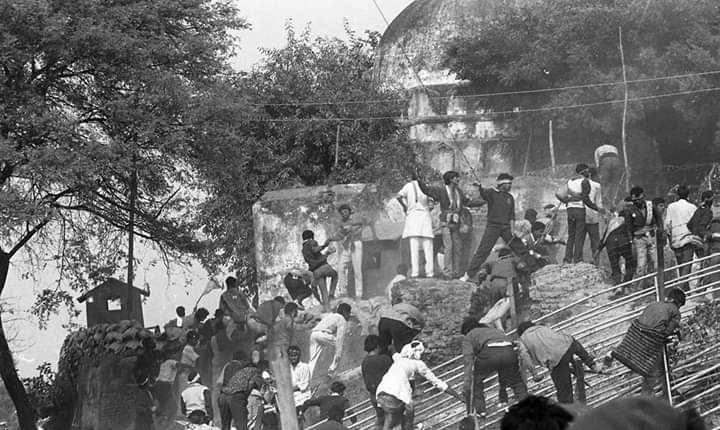
6 दिसम्बर 1992, कल्याण सिंह मुख्यमंत्री थे और नरसिम्हा राव प्रधानमंत्री। सुप्रीम कोर्ट की इजाज़त पर कारसेवक 6 दिसम्बर को कारसेवा के लिए 30 नवम्बर से इकठ्ठा होना शुरू हो गये थे। यहां पर ये ध्यान रखना ज़रूरी है कि कारसेवा की इजाज़त कोर्ट ने दी थी इस शर्त के साथ कि प्रदेश सरकार मस्जिद को कोई नुकसान नहीं होने देगी। और दूसरी ओर कल्याण सिंह ये घोषणा कर चुके थे कि वो किसी भी हालत में कारसेवकों पर गोली चलाने का आदेश नहीं देंगे। आडवाणी, अटल, उमा भारती आदि सभी बड़े भाजपा नेता इस आंदोलन का और बाबरी मस्जिद को गिराने का हिस्सा थे।

कल्याण सिंह ने कोर्ट से किये अपने वादे को नहीं निभाया और इस्तीफा दे दिया। प्रदेश की जनता ने 1993 में हुए चुनाव में 10 महीने बाद ही भाजपा की सांप्रदायिक राजनीति को झटका दिया और सत्ता से बाहर कर दिया। उसके बाद प्रदेश में वो पूर्ण बहुमत 2017 तक ना पा सके। पर ये घटना देश के मुस्लिम समाज को ही नहीं हर एक कानून में भरोसा रखने वाले नागरिक के लिए ये बहुत ही झंकझोर देने वाला वाकया था।

मुस्लिम समाज हो या हिन्दू समाज या सिख समाज अंततः भारतीय नागरिक हैं और हम सबकी समस्या एक ही हैं, अच्छी शिक्षा, रोज़गार, बेहतर चिकित्सा सुविधाएं, और कानून व्यवस्था। वरना तो आने वाले समय में भी बचपन की यादें कर्फ्यू और दंगे ही होंगे।

– Saquib Salim

Infidelity and Racism as Comedy? The Dark Reality Behind India’s Favorite TV Shows!

0

Shahnawaz Mughal


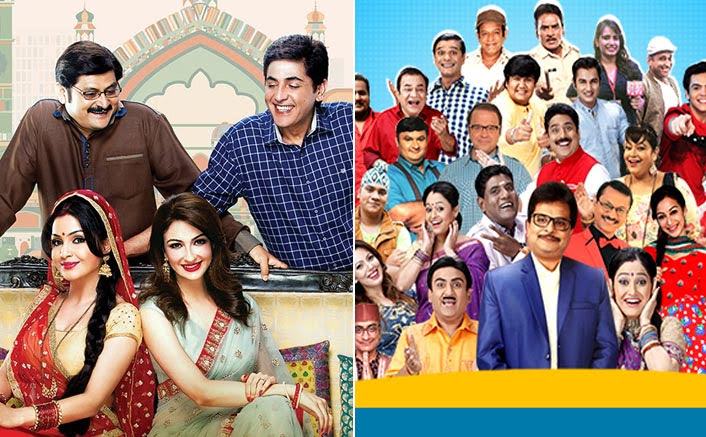
In recent years, the portrayal of relationships and societal values in mainstream Indian television shows has shifted significantly, and not always for the better. Two of the most popular Hindi comedy shows,
Tarak Mehta Ka Ulta Chashma and Bhabhiji Ghar Pe Hain, have played a pivotal role in this shift, subtly promoting infidelity, casual flirting, and objectification of women under the garb of family entertainment.

At the heart of Tarak Mehta Ka Ulta Chashma is Jethalal, a married man who is infatuated with his neighbor Babita, the wife of Iyer. Throughout the show’s run, Jethalal’s obsession with Babita has been a recurring theme, often depicted humorously but with a troubling undertone. What is particularly concerning is how this character’s inappropriate behavior is normalized and even celebrated as part of the comedy. Such portrayals can desensitize viewers to moral boundaries, especially when the show is presented as family-friendly.

Another issue is the show’s underlying bias in promoting color-based discrimination. Iyer, a South Indian character who is often taunted for his darker skin, is constantly contrasted with his fair-skinned wife, Babita. The show regularly ridicules this pairing, perpetuating the regressive notion that fair skin is more desirable. This form of casual racism is not only distasteful but also harmful in reinforcing existing social prejudices.

Similarly, Bhabhiji Ghar Pe Hain revolves around two male neighbors, Vibhuti Narayan and Manmohan Tiwari, who continuously lust after each other’s wives. The show normalizes and trivializes infidelity by portraying the constant flirting between married characters as comedic. This sends a deeply problematic message to audiences, especially teenagers who may grow up thinking such behavior is acceptable or funny.

What we are seeing is a long-term erosion of moral values, where the line between comedy and moral degradation becomes increasingly blurred. Infidelity, objectification of women, and casual flirting are not just portrayed as harmless, but are actively laughed at. In a country grappling with serious issues like rape and gender-based violence, the subtle promotion of infidelity as a normal, even humorous, behavior in these shows becomes deeply concerning.

Take, for example, the recent shocking incident at RG Kar Medical College, where a rape case caused an uproar across the nation. While factors like pornography are often cited as contributing to such crimes, we overlook the pervasive influence of mainstream media. Shows like Tarak Mehta Ka Ulta Chashma and Bhabhiji Ghar Pe Hain, which have been airing for years, have a profound impact on how men view women and relationships. The normalization of casual flirting in these shows can serve as a gateway to more harmful behaviors, contributing to the alarming rise in extramarital affairs, divorces, and even violent crimes like murder.

One must also consider the off-screen realities of these shows. Asit Modi, the producer of Tarak Mehta Ka Ulta Chashma, was recently sued by Jennifer Mistry, who played the character of Mrs. Roshan Singh Sodi, for sexual harassment, and she won the lawsuit. This incident further highlights the hypocrisy of promoting so-called “family values” while the people behind the scenes engage in morally questionable behavior.

Furthermore, with the massive rise of social media, clips from shows like Tarak Mehta Ka Ulta Chashma and Bhabhiji Ghar Pe Hain are extensively circulated among teenagers. These short, humorous snippets are often shared without context, making it easy for younger audiences to normalize inappropriate behavior, such as infidelity and casual flirting. This pervasive online presence reinforces the message that such conduct is not only acceptable but amusing, further entrenching these harmful ideas in impressionable minds.

As concerned citizens, it is imperative that we hold both the creators and actors of these shows accountable. The content consumed by families in their living rooms has long-term consequences on future generations. It is not enough to express outrage only when horrific crimes occur; we must also critically examine the media we consume and demand better, more responsible entertainment.

Indian television has the potential to influence millions of viewers across the country. It is high time we stop normalizing indecency and demand shows that reflect values of respect, equality, and decency, rather than promoting moral corruption disguised as comedy.